

Dr. Harm H. Kampinga
Dept. Biomedical Sciences, UMCG/RuG, Groningen, The Netherlands
Invited by Dr. Valérie Mezger
“Collapse of protein homeostasis as driver of age-related protein aggregation diseases“
The seminar will take place in the Institut Jacques Monod seminar room (RB-18B).
Bâtiment Buffon, 15 rue Hélène Brion, Paris 13th.
On Wednesday, April 15that 11:00 am.
Harm’s research has always been related cellular responses to the protein un-or misfolding on cellular functions. Initially, this research was centred around the biological effects of heat shock on cells in relation to the use of hyperthermia in cancer treatments. In more recent years, his research focused on the understanding of the functioning and regulation (by cofactors) of the diverse chaperone machines in living mammalian cells in protein quality control (folding, proteaosmal or autophagosomal degradation) and on how these functions or dysfunctions of heat shock proteins may play a role in the cause of human diseases, or may be used to antagonise the onset or progression of particular neurodegenerative diseases such as Huntington’s disease, and of cellular ageing in general. Ongoing projects include the regulation of input and output (fate) of clients in and from the Hsp70 machine, the structure and function of the J-domain protein, DNAJB6 as strong inhibitor of amyloidogenesis, the unravelling mechanisms of chaperonopathies, diseases caused by mutations in chaperones, and studying the importance of imbalances in protein homeostasis for cellular aging.
Relevant publications from the speaker:
- Wentink et al., Mechanisms and regulation of the Hsp70 chaperone network. Nat Rev Mol Cell Biol. 2026, 27(2):110-128
- Mauthe et al., A chaperone-proteasome-based fragmentation machinery is essential for aggrephagy. Nat Cell Biol. 2025, 27(9):1448-1464
- Korsten et al., Nuclear poly-glutamine aggregates rupture the nuclear envelope and hinder its repair. J Cell Biol. 2024; 223(11):e202307142.
- Kuiper et al., The chaperone DNAJB6 surveils FG-nucleoporins and is required for interphase nuclear pore complex biogenesis. Nat Cell Biol. 2022, 24(11):1584-1594
- Huiting et al., Targeting DNA topoisomerases or checkpoint kinases results in an overload of chaperone systems, triggering aggregation of a metastable subproteome. 2022, 11:e70726.
- Thiruvalluvan et al., DNAJB6, a Key Factor in Neuronal Sensitivity to Amyloidogenesis. Mol Cell. 2020,78(2):346-358.
- Kakkar V et al., The S/T-Rich Motif in the DNAJB6 Chaperone Delays Polyglutamine Aggregation and the Onset of Disease in a Mouse Model. Mol Cell. 2016, 62(2):272-283.
- Vos et al., Specific protein homeostatic functions of small heat-shock proteins increase lifespan. Aging Cell. 2016, 15(2):217-226.
- Vos et al., HSPB7 is the most potent polyQ aggregation suppressor within the HSPB family of molecular chaperones. Hum Mol Genet. 2010, 19(23):4677-4693.
- Hageman et al., A DNAJB chaperone subfamily with HDAC-dependent activities suppresses toxic protein aggregation. Mol Cell. 2010, 37(3):355-69.
Dimitris Xirodimas Seminar – March 11, 2026
Dr. Dimitris Xirodimas CRBM-CNRS, Montpellier, France Invited by Dr. Valérie Mezger "Guardians of Proteostasis: Ubiquitin and Ubiquitin-like pathways in Protein Misfolding and Aggregation" The seminar will take place in the Institut Jacques Monod seminar room...
Laurent Duret Seminar – February 25, 2026
Dr. Laurent Duret Laboratoire de Biométrie et Biologie Évolutive, Lyon, France Invited by Pierre-Antoine Defossez (EDC) and Sandra Duharcourt (IJM) "Random genetic drift sets an upper limit on mRNA splicing accuracy in metazoans" The seminar will take place in the...
Minoru Yoshida Seminar – February 20, 2026
Pr. Minoru Yoshida Executive Vice-President of RIKEN, Leader of the Chemical Genomics Research GroupRIKEN Center for Sustainable Resource Science, Wako, Japan Invited by Dr. Pierre-Antoine Defossez "Tackling Genetic Diseases with Chemical Biology" The seminar will...
Fiona Francis Seminar – February 18, 2026
Dr. Fiona Francis NeuroSU, Paris,France Invited by Dr. Valérie Mezger "Progenitor cell mechanisms during cerebral cortical development" The seminar will take place in the Institut Jacques Monod seminar room (RB-18B). Bâtiment Buffon, 15 rue Hélène Brion, Paris 13th....
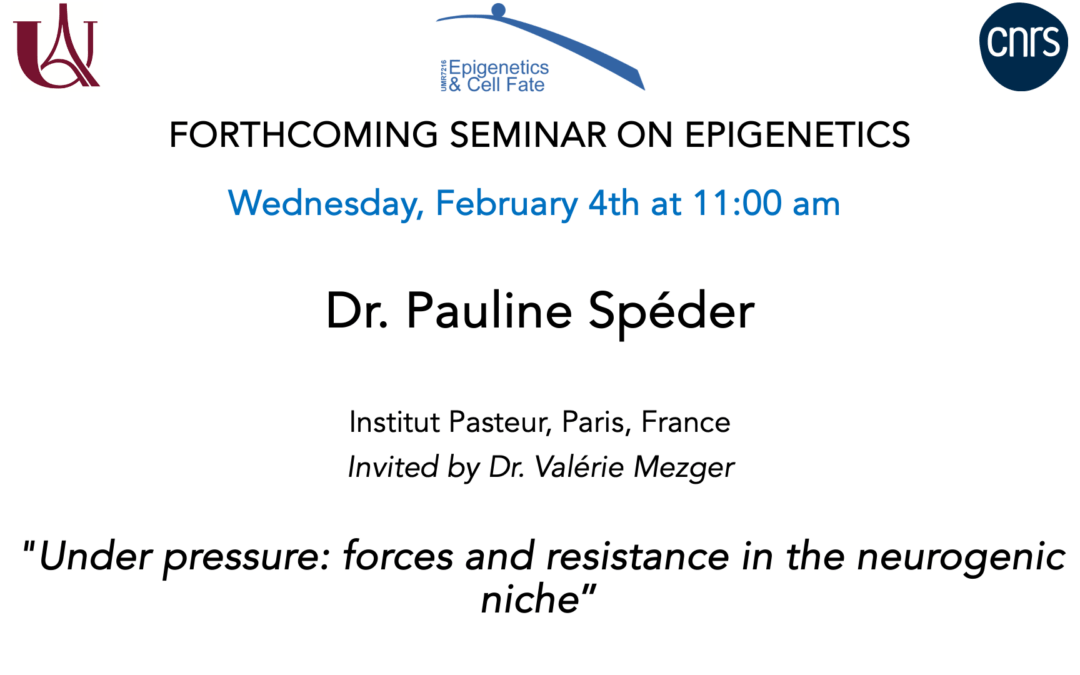
Pauline Spéder Seminar – February 4, 2026
Dr. Pauline Spéder Institut Pasteur, Paris, France Invited by Dr. Valérie Mezger "Under pressure: forces and resistance in the neurogenic niche" The seminar will take place in the Institut Jacques Monod seminar room (RB-18B). Bâtiment Buffon, 15 rue Hélène Brion,...
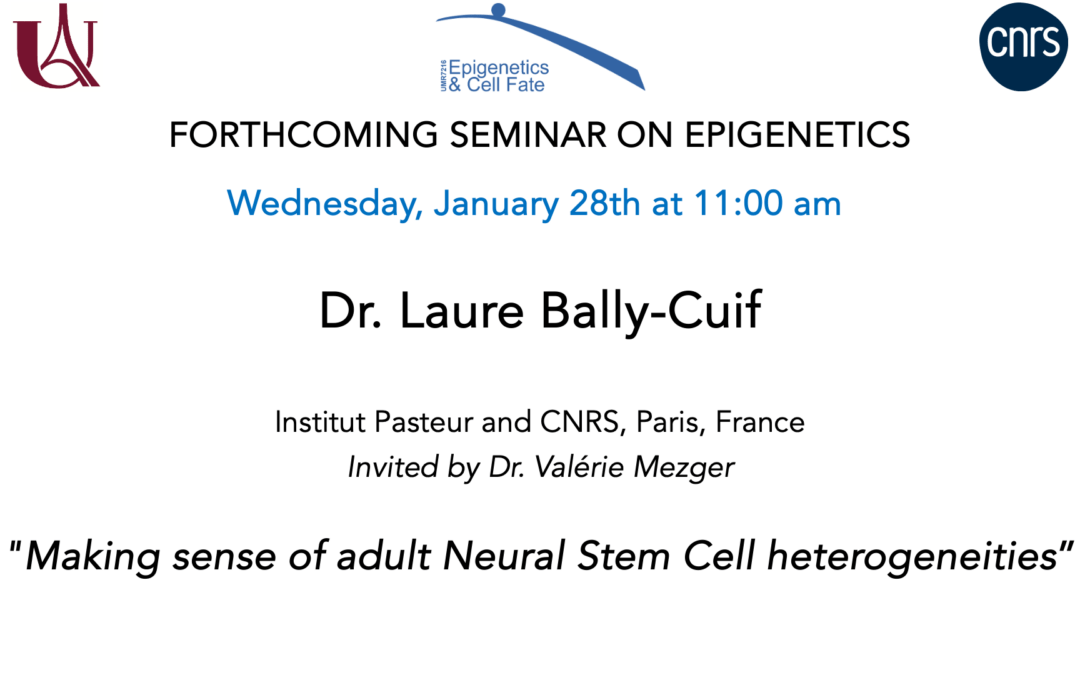
Laure Bally-Cuif Seminar – January 28, 2026
Dr. Laure Bally-Cuif Institut Pasteur and CNRS, Paris, France Invited by Dr. Valérie Mezger "Making sense of adult Neural Stem Cell heterogeneities" The seminar will take place in the Institut Jacques Monod seminar room (RB-18B). Bâtiment Buffon, 15 rue Hélène Brion,...
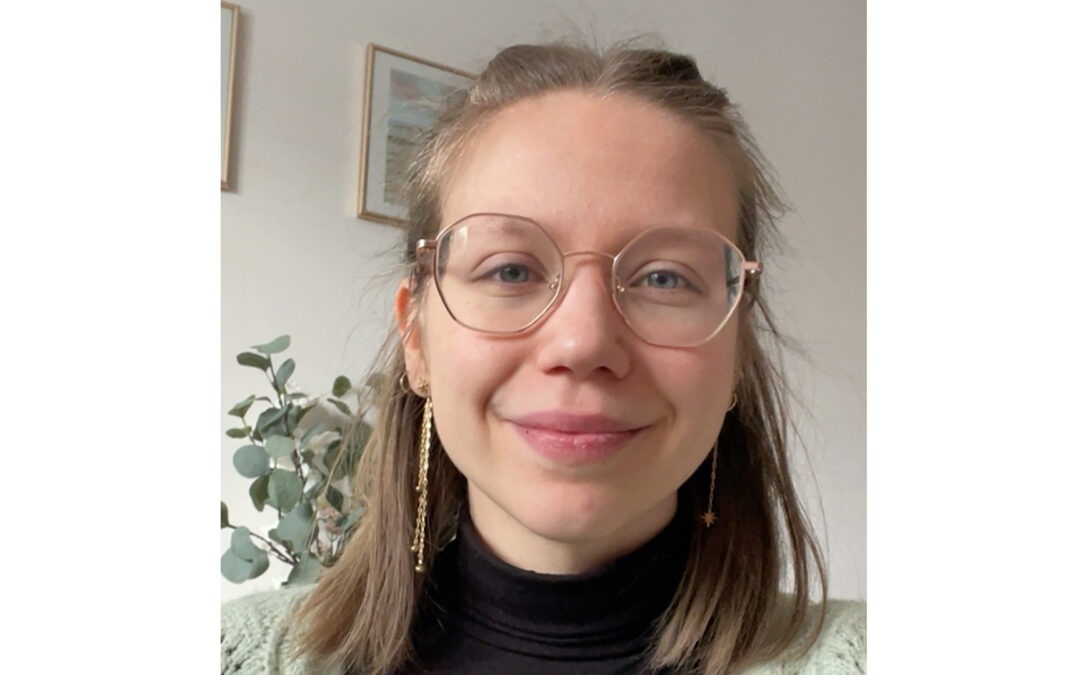
Welcome to Léa
Léa joins the team as a research assistant. After completing a master's degree in virology, she worked in Strasbourg on grapevine viruses, then on characterizing mRNA degradation in plants at the Institute of Plant Molecular Biology (IBMP). In the Polo team, Léa will...
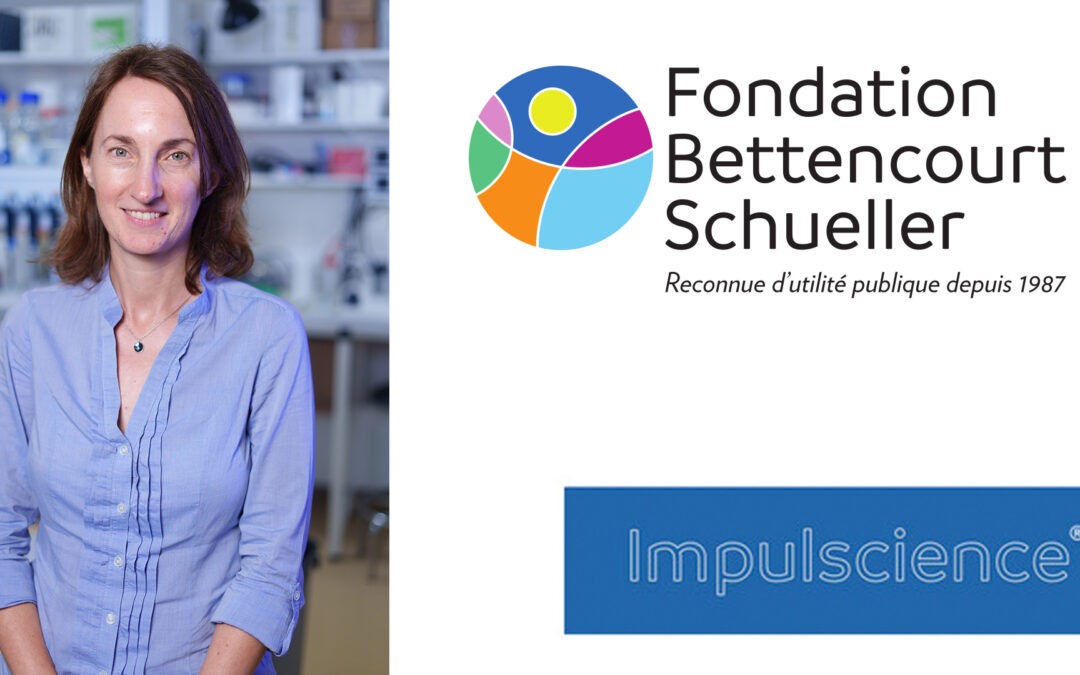
Sophie Polo receives an Impulscience® grant from the Fondation Bettencourt Schueller
Sophie Polo has been awarded an Impulscience® grant to fund a research project on the establishment and maintenance of the inactive X chromosome in response to DNA breaks. This is wonderful news for the lab ! We thank the Fondation Bettencourt Schueller for their...
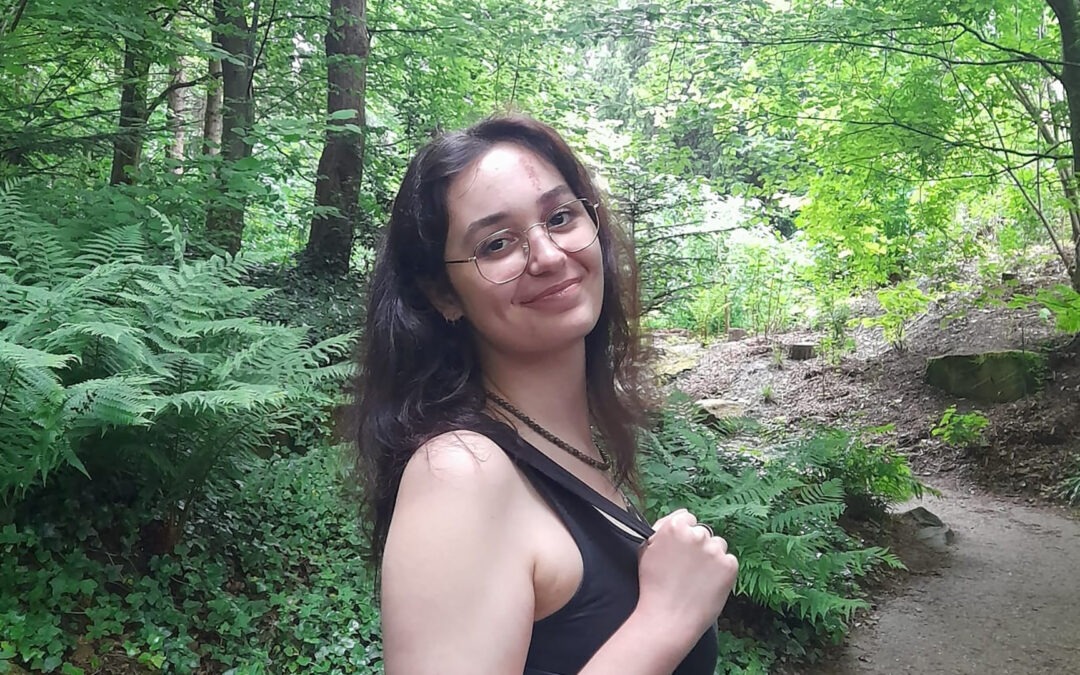
Welcome to Léa, new engineer in the team!
Léa joins the lab as a research assistant. She holds a Master's degree in Molecular and Cellular Biology from Sorbonne University. She will contribute to investigate DNA methylation maintenance mechanisms in response to UV damage in mammalian cells. Léa Girard À lire...
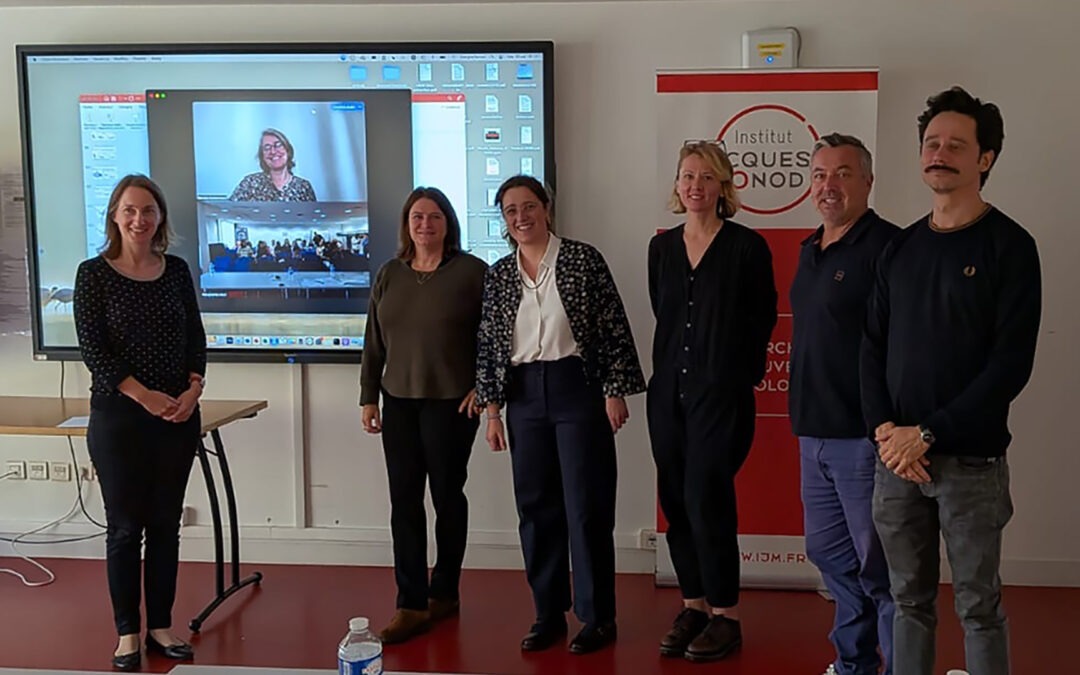
Well done, Dr Mori!
Margherita successfully defended her PhD on DNA methylation maintenance in response to UV damage. Brava! Margherita and her thesis jury. From left to right: Sophie Polo, Sandra Duharcourt (on screen), Déborah Bourc'his, Margherita Mori, Nataliya Petryk, Jean Molinier,...
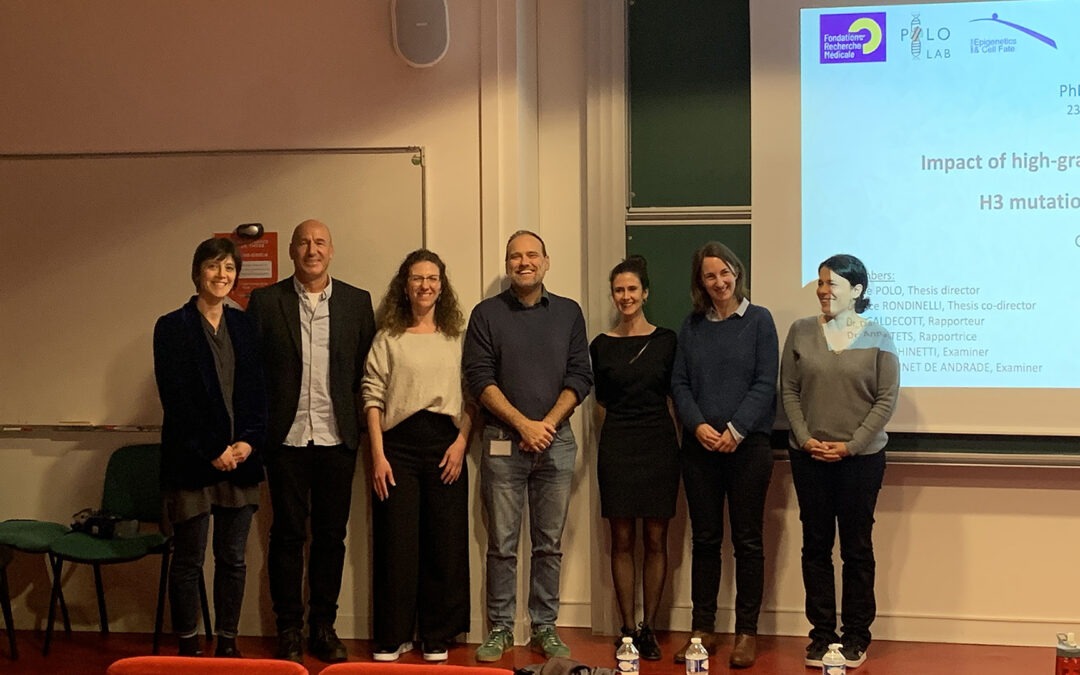
Congratulations Dr Giacomini!
Giulia defended her PhD on the impact of high grade glioma-associated histone H3 mutations on genome integrity. Congratulations to her on a fantastic thesis defense! Giulia Giacomini and her thesis jury. From left to right: Beatrice Rondinelli, Keith Caldecott,...
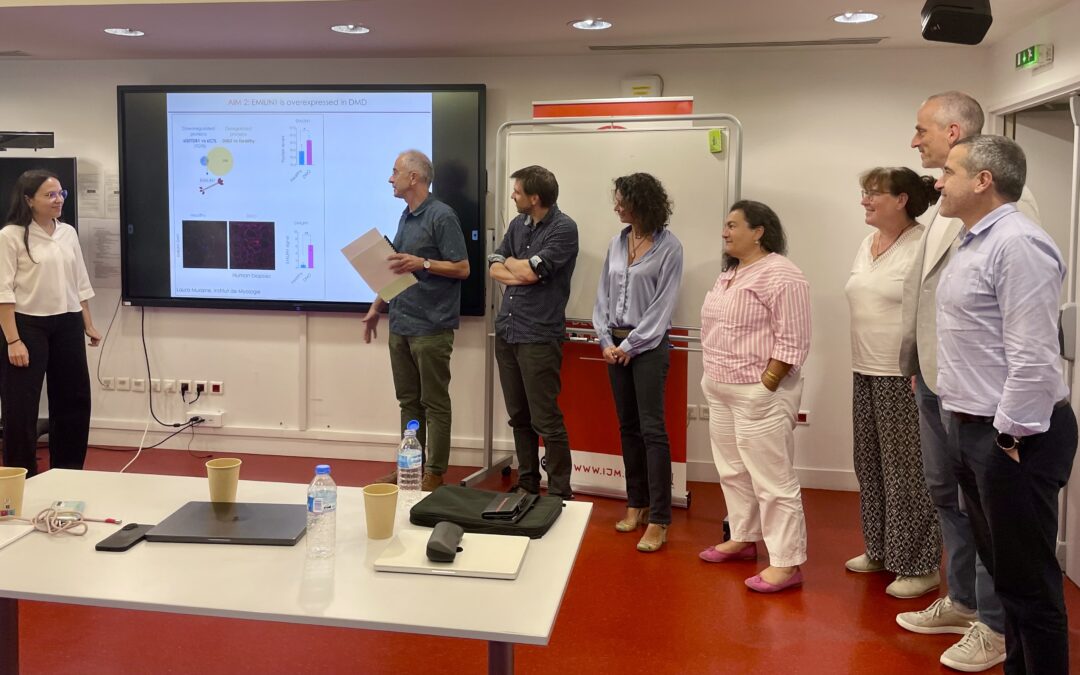
Congratulations to Dr. Maeva Zamperoni!
On September 15, 2025, Maeva successfully defended her thesis: “Role of the lysine methyltransferase SETDB1 in TGFβ-induced fibrosis in Duchenne Muscular Dystrophy (DMD).”Maeva and the jury members: Pascal Maire, Nicolas Reynoird, Sestina Falcone, Frédérique...
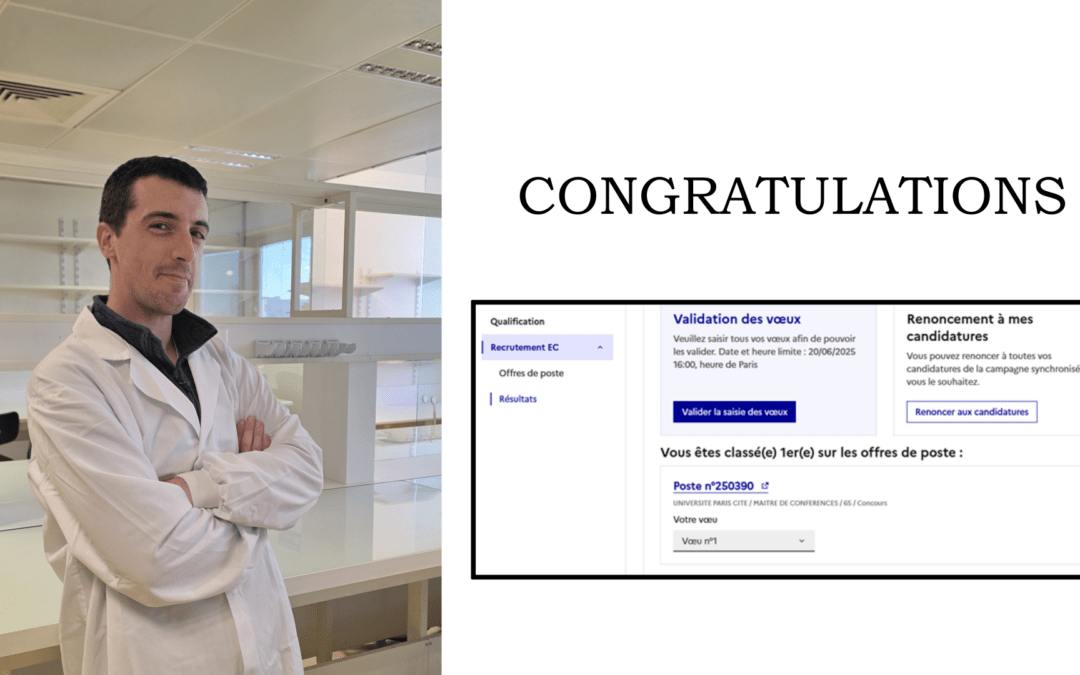
Congratulations to Jérémy, newly appointed Associate Professor!
We are delighted to announce Jérémy Berthelet's success in the Assistant Professor competition!On September 1, 2025, Jérémy officially joined our laboratory as a civil servant lecturer-researcher (trainee). This position is an important step, not only in his career,...
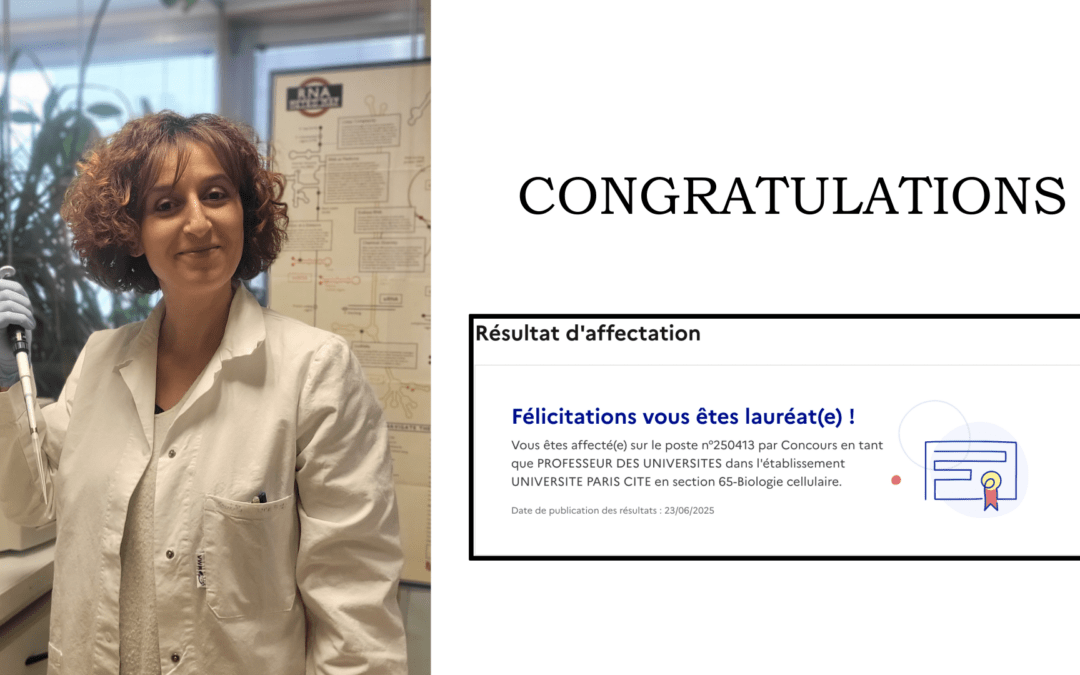
Congratulations to Souhila, promoted full Professor !
We are delighted to announce the success of Souhila MEDJKANE, who has been promoted to full Professor!On September 1, 2025, Souhila was officially promoted to Professor. This is a major milestone in her career, and a source of great pride for our team and the teaching...
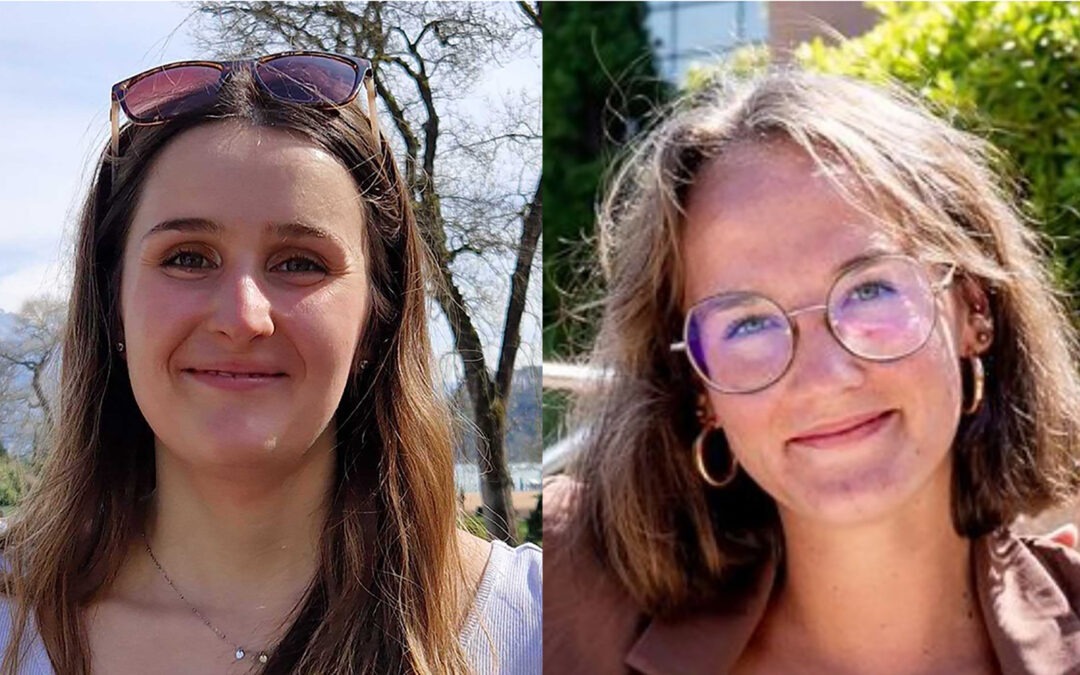
Congratulations to Delphine and Julia for their research funding
Congratulations to Delphine Burlet on getting a postdoctoral grant from the Fondation de France and to Julia Roche Dupuy who obtained a fellowship from the HOB doctoral school to finance her PhD thesis. Delphine Burlet, Julia Roche Dupuy À lire aussi
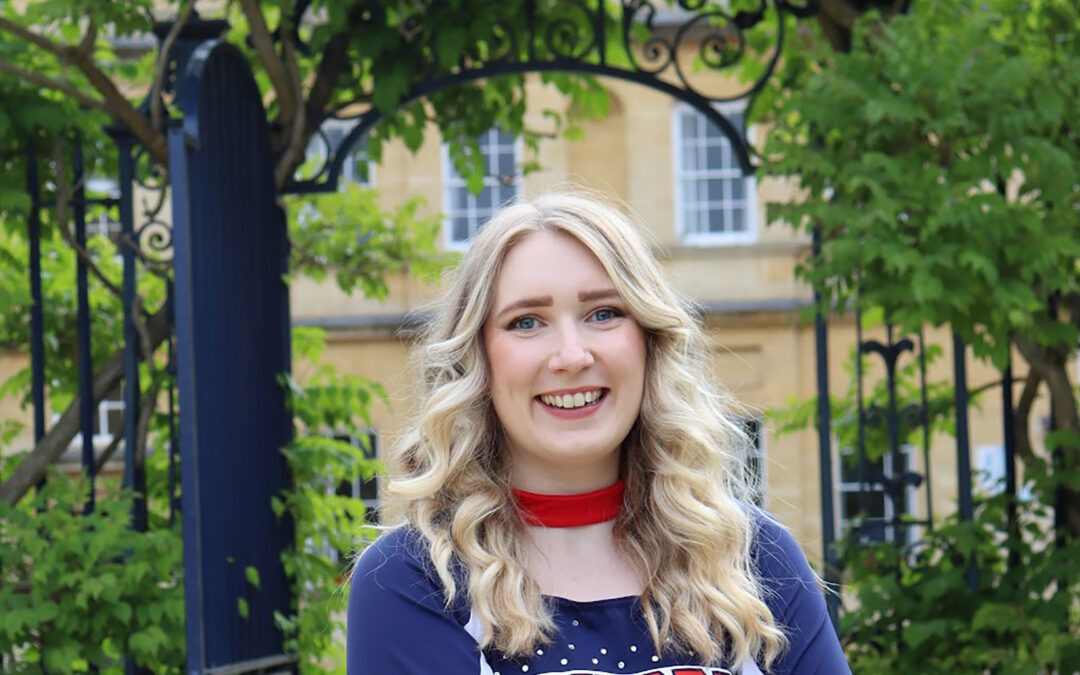
Welcome to Annabelle, new post-doc in the team!
Annabelle joins the lab as a post-doctoral fellow. She completed her PhD at the University of Oxford under the supervision of Prof. Monika Gullerova. Her doctoral work focused on the role of small non-coding Y RNAs and the RNA-binding protein, YBX1, in intracellular...
Welcome to Orlane
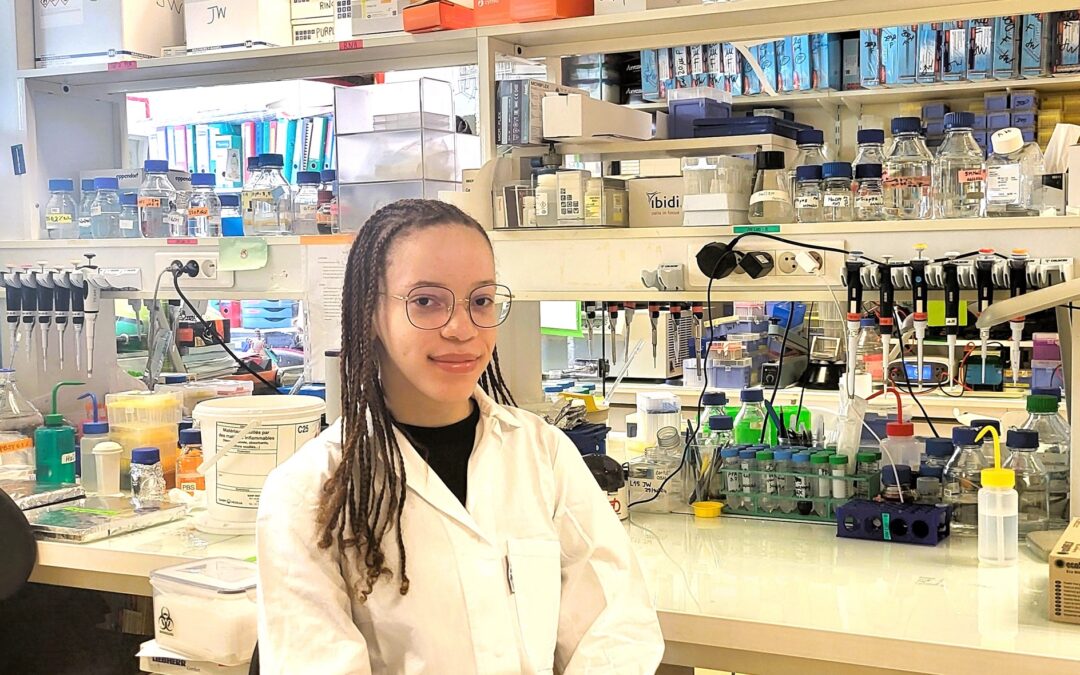
Today, we welcome a new member to the team: Orlane. She's a student from the first year of the Brevet de Technicien Supérieur Biotechnologies en Recherche et Production (Two-year technical degree - Biotechnologies in Research and Production).Orlane will be working...
4th year PhD fellowships for Anaëlle
Congratulations to Anaëlle Azogui for obtaining a 4th year PhD fellowships from the "Fondation pour la recherche sur le cancer" (Fondation ARC). Read more

Congratulations to the Defossez team for their article published in Nature Communication
Congratulations to the Defossez team for their article “DNA methylation protects cancer cells against senescence” by Chen, Yamaguchi, et al., which has been accepted in Nature Communication. Read it here: doi:doi: https://doi.org/10.1101/2024.08.23.609297...
Welcome to Delphine, new post-doc in the team!
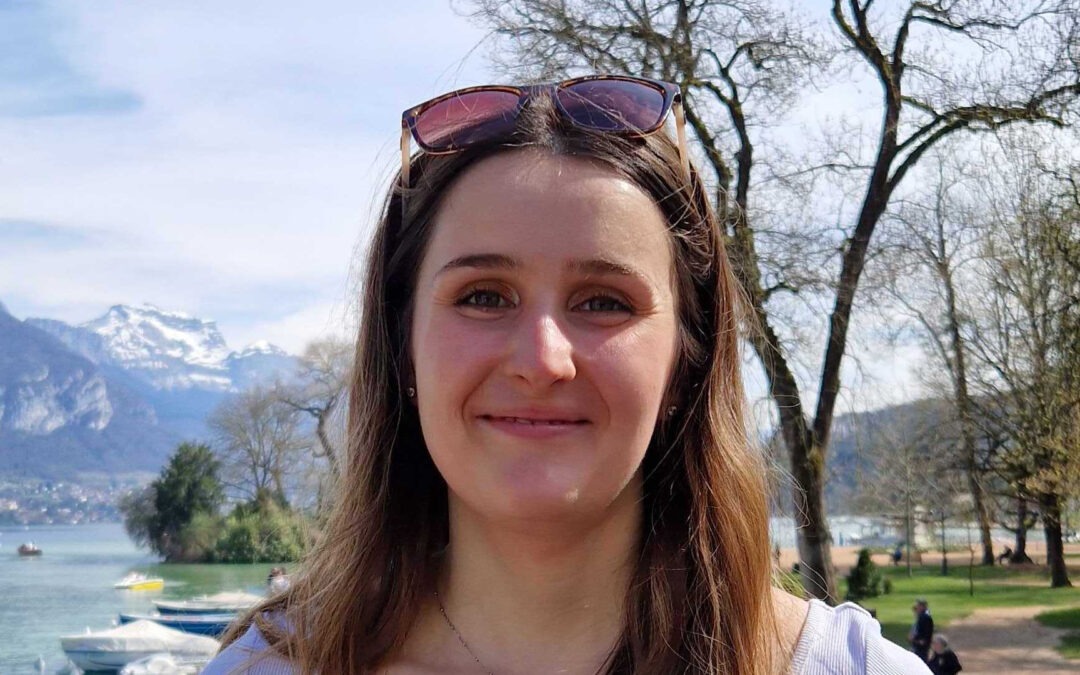
Delphine joins the lab as a post-doctoral fellow. She completed her PhD at the Centre de Recherche en Cancérologie de Lyon (CRCL) under the supervision of Virginie Petrilli. Her doctoral work focused on the pro-inflammatory protein NLRP3, for which she highlighted a...