
Dr. Michael Rera
Department of Functional and Adaptive Biology, Université Paris Cité, France
Invited by Dr. Valerie Mezger
“Studying ageing as a two-phase process.“
The hallmarks of aging framework, introduced over a decade ago and cited nearly 20,000 times, became quantifiable in 2018 through transcriptional counterparts. However, fundamental questions persist about what these hallmarks reveal regarding aging’s nature.
Using our laboratory’s biphasic aging model, we demonstrate that aging hallmarks manifest not progressively, but through an abrupt transition. As individuals age, they face increasing probability of undergoing the ‘Smurf transition,’ detected via in vivo intestinal permeability assessment. Strikingly, transcriptional and physiological hallmarks of aging appear almost exclusively in this expanding subpopulation experiencing barrier dysfunction.
These findings challenge conventional paradigms: Are aging hallmarks primarily markers of terminal decline rather than chronological aging? What implications does this discontinuous model hold for understanding aging mechanisms and age-related disease etiology? Our work suggests reconceptualizing aging hallmarks as end-of-life transitions markers may unlock novel insights into therapeutic interventions and disease prevention strategies.
The seminar will take place in the Institut Jacques Monod seminar room (RB-18B).
Bâtiment Buffon, 15 rue Hélène Brion, Paris 13th.
On Wednesday, June 3rd at 11:00 am.
Zoom link for remote attendees:
https://u-paris.zoom.us/j/86114422072?pwd=VzJ0c2pxcHl4OWppekx3MldlM2Y4QT09
Meeting ID: 861 1442 2072
Secret code: 492809
Relevant publications from the speaker:
- M Abakarova, MI Freiberger, A Liehrmann, M Rera*, E Laine*. Proteome-wide prediction of the Functional Impact of Missense Variants with ProteoCast. Nature Communications (2026)
- C. Cansell, F.Bain, V.Goepp, N.Todd, V.Douard, F.Zane, C.Sanchez, N.Pietrancosta, C.Rovere, RGP Denis, S.Luquet, M.Rera. Two-phase model of ageing in mice for improved identification of age-related and late life metabolic decline. BMC Biology (2025)
- Zane, C. Macmurray, C. Guillermain, C. Cansell, N. Todd, M Rera. Ageing as a Two-Phase Process: Development of a new Theoretical Framework. Frontiers in Aging (2024)
- T. Roget, C. Macmurray, P. Jolivet, S. Méléard, M. Rera. A scenario for an evolutionary selection of ageing. ELife (2024)
- F. Zane, H. Bouzid, S. Besse, SS. Marmol, JL Molina, C. Cansell, F. Aprahamian, S. Durand, J. Ayache, C. Antoniewski, M. Rera. Smurness-based two-phase model of ageing helps deconvolve the ageing transcriptional signature. Aging Cell (2023)
- M.Gaille, M. Araneda, C. Dubost, C. Guillermain, S.Kaakai, E.Ricadat, N.Todd, M.Rera. Ethical and social implications of approaching death prediction in humans-when the biology of ageing meets existential issues. BMC Medical Ethics (2020)
- Dambroise, L.Monnier, L.Ruisheng, H.Aguilaniu, J-S.Joly, H.Tricoire, M.Rera: Two phases of aging separated by the Smurf transition as a public path to death. Scientific Reports (2016)
- H. Tricoire, M.Rera: A New, Discontinuous 2 Phases of Aging Model: Lessons from Drosophila melanogaster. PLoS ONE (2015)
- M. Rera*, R.I.Clark*, D.W. Walker: Intestinal barrier dysfunction links metabolic and inflammatory markers of aging to death in Drosophila. Proceedings of the National Academy of Sciences (2012)
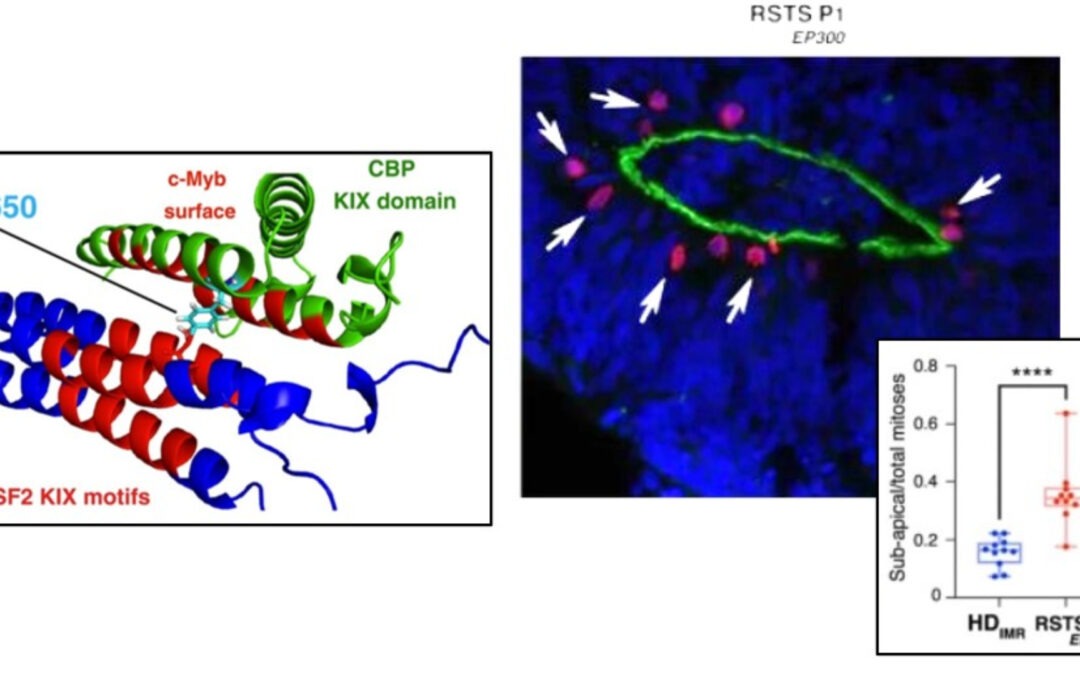
Congratulations to Aurélie De Thonel and the Mezger Lab for their paper in Nature Communications
Aurélie De Thonel and the V Mezger lab released a paper in Nature Communications elucidating the relationship between CBP and HSF2 in a neurodevelopmental disorder, CBP-HSF2 structural and functional interplay in Rubinstein-Taybi neurodevelopmental disorder....
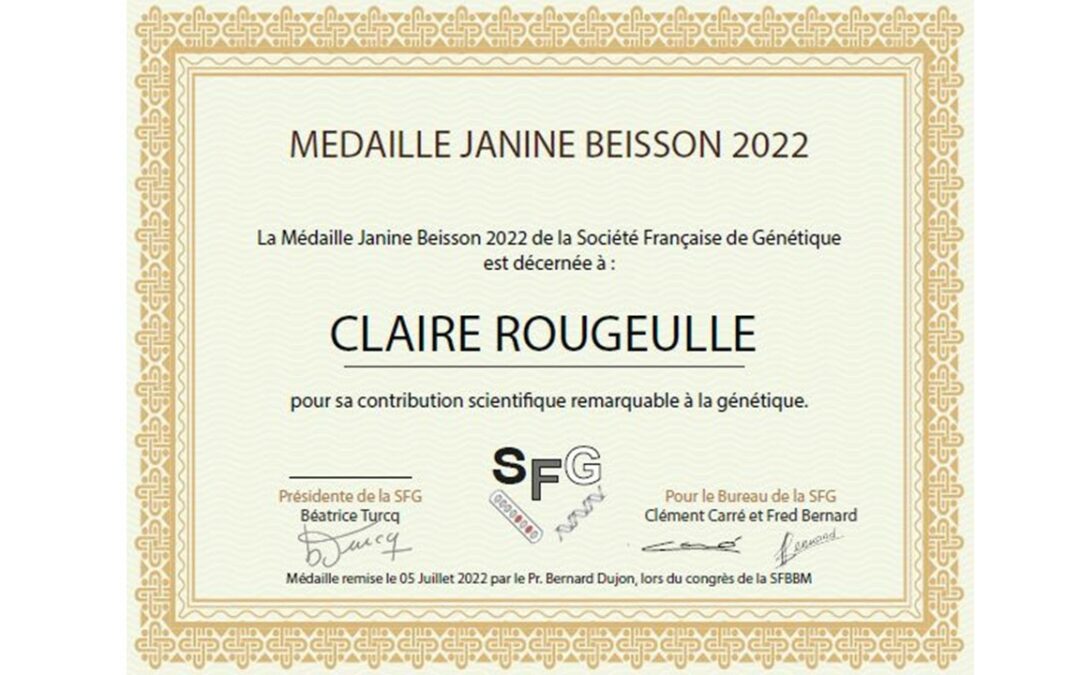
Claire Rougeulle receives the Janine Beisson 2022 medal
The French Society of Genetics (SFG) 2022 medal, Janine BEISSON prize, was awarded to Claire ROUGEULLE by her Professor of genetics Bernard DUJON (former president of the SFG) in the presence of the current vice-presidents of the SFG Clément Carré and Frédéric Bernard...
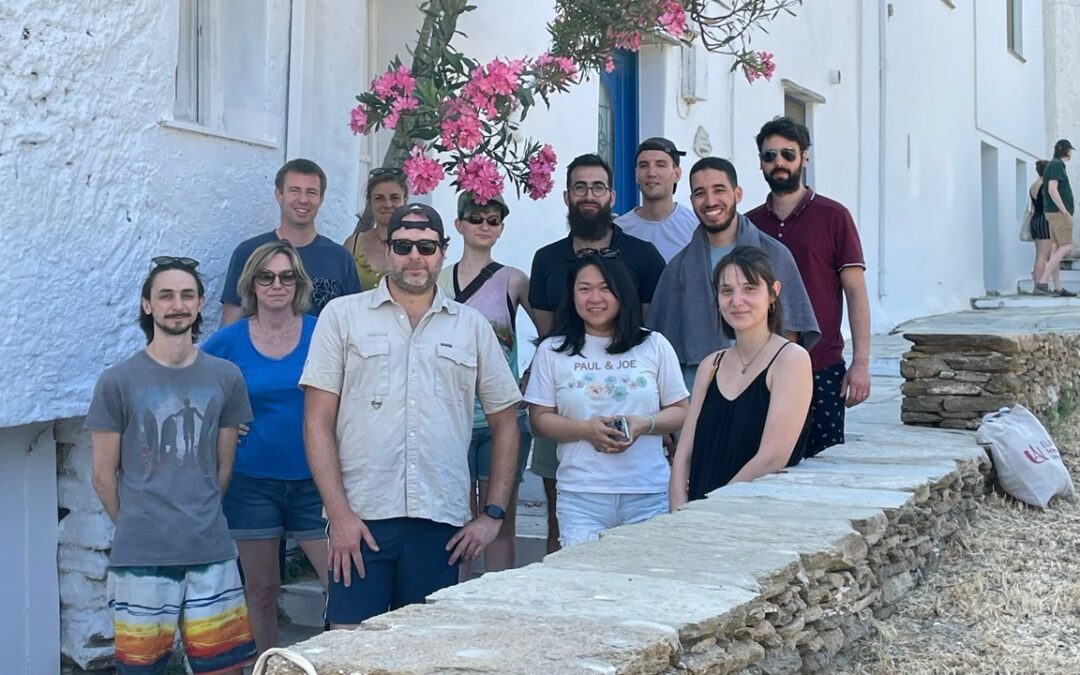
Team retreat on Tinos island
The team took advantage of a few days on Tinos island to present and discuss its results with the research teams of Edith Heard (EMBL) and Joost Gribnau (Erasmus MC). Nice moments of scientific exchanges between the...
Antoine Zalc seminar – November 23, 2022
Wednesday November 23th, 2022, at 11:00 am Antoine Zalc Cell fate plasticity and reprogramming, Institut Cochin, Université Paris CitéInvited by Jonathan Weitzman “Reactivation of cranial neural crest cells pluripotency programs: a crucial path in development and...
Elena Brivio seminar – November 17, 2022
Thursday November 17th, 2022, at 10:45 am Elena Brivio Weizmann Institute of Science, IsraelInvited by Valérie Mezger “Sex shapes cell-type-specific transcriptional signatures of stress exposure in the mouse hypothalamus” The seminar will take place in the Institut...
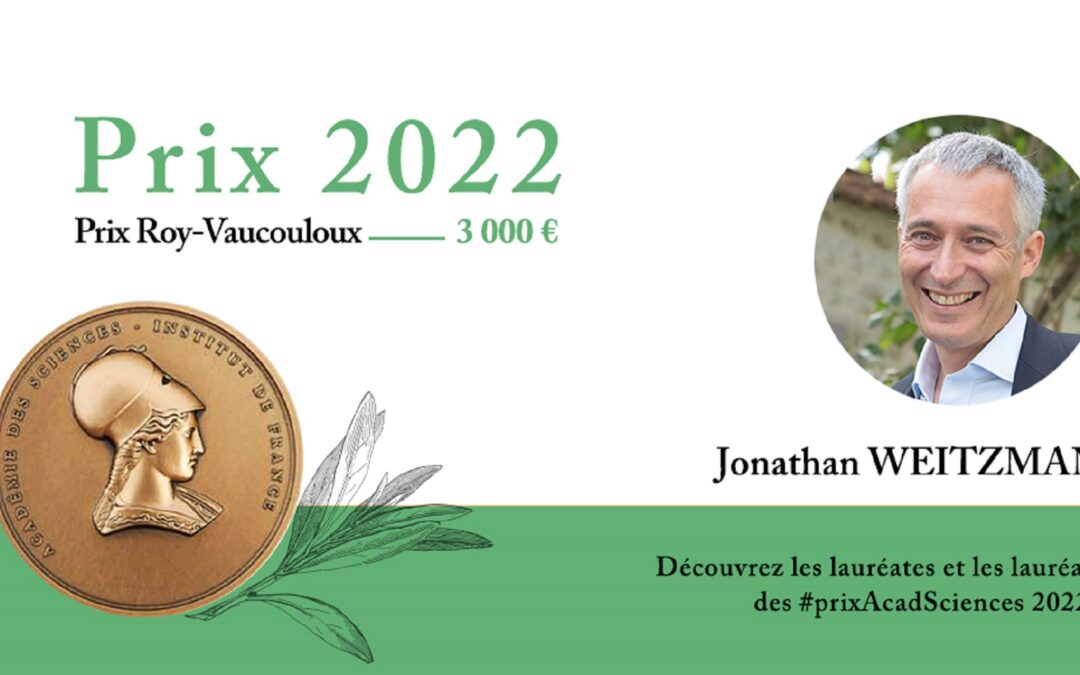
Jonathan Weitzman receives the Roy-Vaucouloux Prize
On October 18 and 22, the Académie des Sciences honoured 78 research actors for their talent and remarkable contributions to science. Jonathan Weitzman is one of them. © Académie des sciences The Academy of Sciences awards nearly 80 prizes each year, covering all...
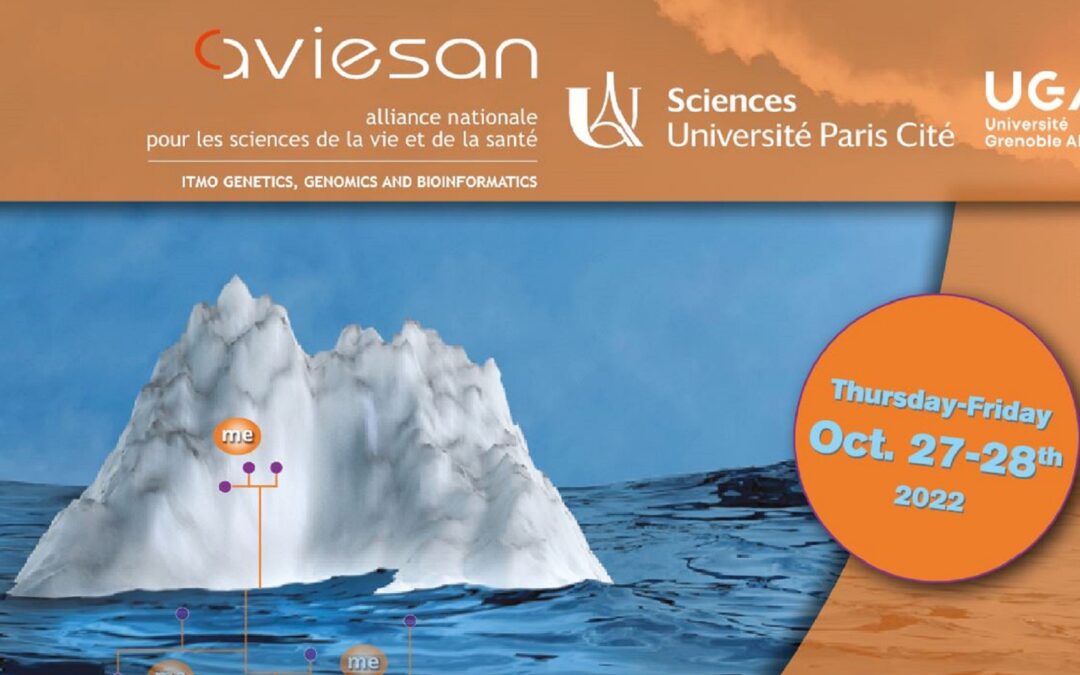
Scientific symposium “Methylation signaling: Beyond histones and chromatin”
Protein methylation is emerging as a critical post-translational modification in signaling and cellular processes. New experimental approaches reveal that a large number of proteins are methylated and there is an emerging interest in the role of methylation of lysine...
Kathleen Stewart-Morgan seminar- September 28, 2022
Wednesday September 28th at 11:00 am Dr Kathleen Stewart-Morgan The Novo Nordisk Foundation Center for Protein Research, CopenhagenInvited by Sophie Polo and Nataliya Petryk “Quantifying propagation of DNA methylation and hydroxymethylation with EDIMS” The seminar...
Frédéric Berger seminar- September 21, 2022
Wednesday September 21st, 2022, at 11:00 am Frédéric Berger Austrian Academy of Sciences, ViennaInvited by Pierre-Antoine Defossez “When mothers take full control of embryo development: paternal chromosome repression in viviparous species” The seminar will take place...
Adrian Bird seminar – September 14, 2022
Wednesday September 14th, 2022, at 11:00 am Adrian Bird Wellcome Centre for Cell Biology, University of Edinburgh, UKInvited by Pierre-Antoine Defossez “Proteins that interpret genomic signals to stabilise cell identity” The seminar will take place in the Institut...
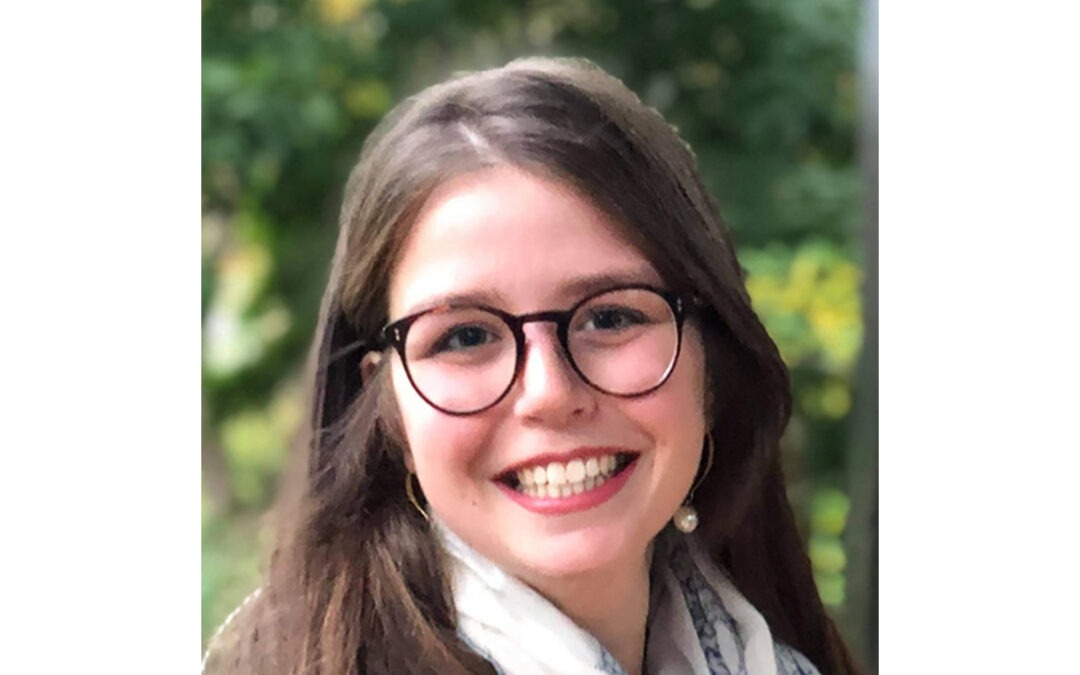
Welcome to Camille
June 27th 2022: Camille joined the group as a new research assistant to work on the Labex transverse project on intestinal organoids with Delphine Delacour (Jacques Monod Institute), Nicolas Minc (Jacques Monod Institute) and Béatrice Romagnolo teams (Cochin...
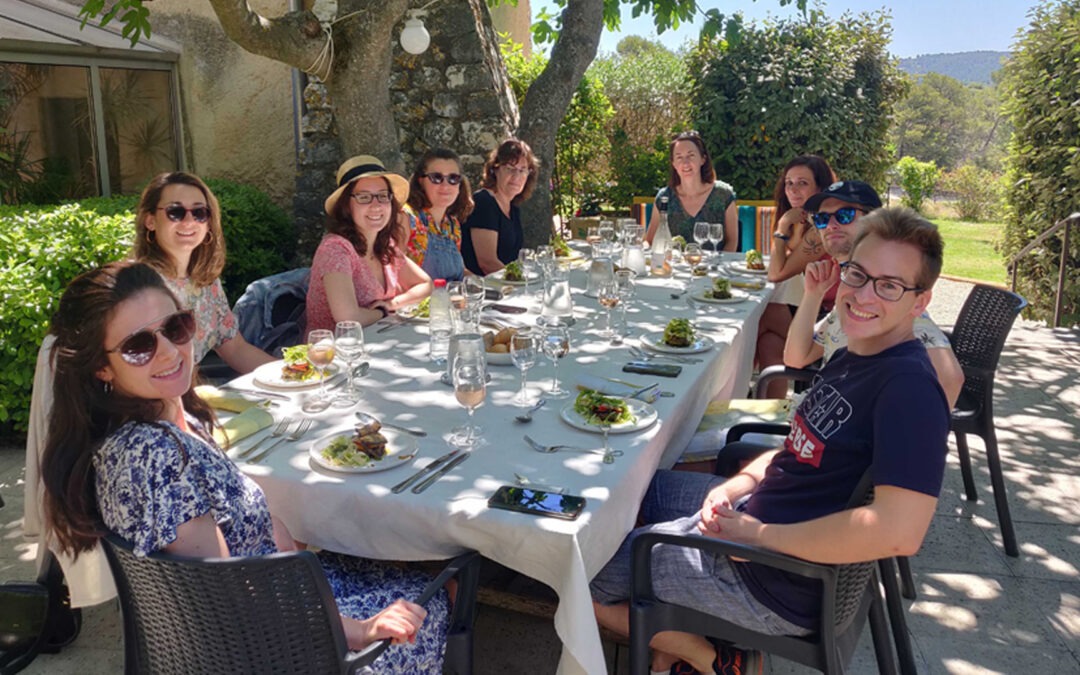
Group retreat
June 15th 2022: We had a fantastic group retreat in beautiful and sunny Aix-en-Provence! Warm thanks to all group members for their active participation and enthusiasm and to "Mas de Fauchon" for being wonderful hosts. The lunch under the fig tree was simply...