

Dr. Harm H. Kampinga
Dept. Biomedical Sciences, UMCG/RuG, Groningen, The Netherlands
Invited by Dr. Valérie Mezger
“Collapse of protein homeostasis as driver of age-related protein aggregation diseases“
The seminar will take place in the Institut Jacques Monod seminar room (RB-18B).
Bâtiment Buffon, 15 rue Hélène Brion, Paris 13th.
On Wednesday, April 15that 11:00 am.
Harm’s research has always been related cellular responses to the protein un-or misfolding on cellular functions. Initially, this research was centred around the biological effects of heat shock on cells in relation to the use of hyperthermia in cancer treatments. In more recent years, his research focused on the understanding of the functioning and regulation (by cofactors) of the diverse chaperone machines in living mammalian cells in protein quality control (folding, proteaosmal or autophagosomal degradation) and on how these functions or dysfunctions of heat shock proteins may play a role in the cause of human diseases, or may be used to antagonise the onset or progression of particular neurodegenerative diseases such as Huntington’s disease, and of cellular ageing in general. Ongoing projects include the regulation of input and output (fate) of clients in and from the Hsp70 machine, the structure and function of the J-domain protein, DNAJB6 as strong inhibitor of amyloidogenesis, the unravelling mechanisms of chaperonopathies, diseases caused by mutations in chaperones, and studying the importance of imbalances in protein homeostasis for cellular aging.
Relevant publications from the speaker:
- Wentink et al., Mechanisms and regulation of the Hsp70 chaperone network. Nat Rev Mol Cell Biol. 2026, 27(2):110-128
- Mauthe et al., A chaperone-proteasome-based fragmentation machinery is essential for aggrephagy. Nat Cell Biol. 2025, 27(9):1448-1464
- Korsten et al., Nuclear poly-glutamine aggregates rupture the nuclear envelope and hinder its repair. J Cell Biol. 2024; 223(11):e202307142.
- Kuiper et al., The chaperone DNAJB6 surveils FG-nucleoporins and is required for interphase nuclear pore complex biogenesis. Nat Cell Biol. 2022, 24(11):1584-1594
- Huiting et al., Targeting DNA topoisomerases or checkpoint kinases results in an overload of chaperone systems, triggering aggregation of a metastable subproteome. 2022, 11:e70726.
- Thiruvalluvan et al., DNAJB6, a Key Factor in Neuronal Sensitivity to Amyloidogenesis. Mol Cell. 2020,78(2):346-358.
- Kakkar V et al., The S/T-Rich Motif in the DNAJB6 Chaperone Delays Polyglutamine Aggregation and the Onset of Disease in a Mouse Model. Mol Cell. 2016, 62(2):272-283.
- Vos et al., Specific protein homeostatic functions of small heat-shock proteins increase lifespan. Aging Cell. 2016, 15(2):217-226.
- Vos et al., HSPB7 is the most potent polyQ aggregation suppressor within the HSPB family of molecular chaperones. Hum Mol Genet. 2010, 19(23):4677-4693.
- Hageman et al., A DNAJB chaperone subfamily with HDAC-dependent activities suppresses toxic protein aggregation. Mol Cell. 2010, 37(3):355-69.
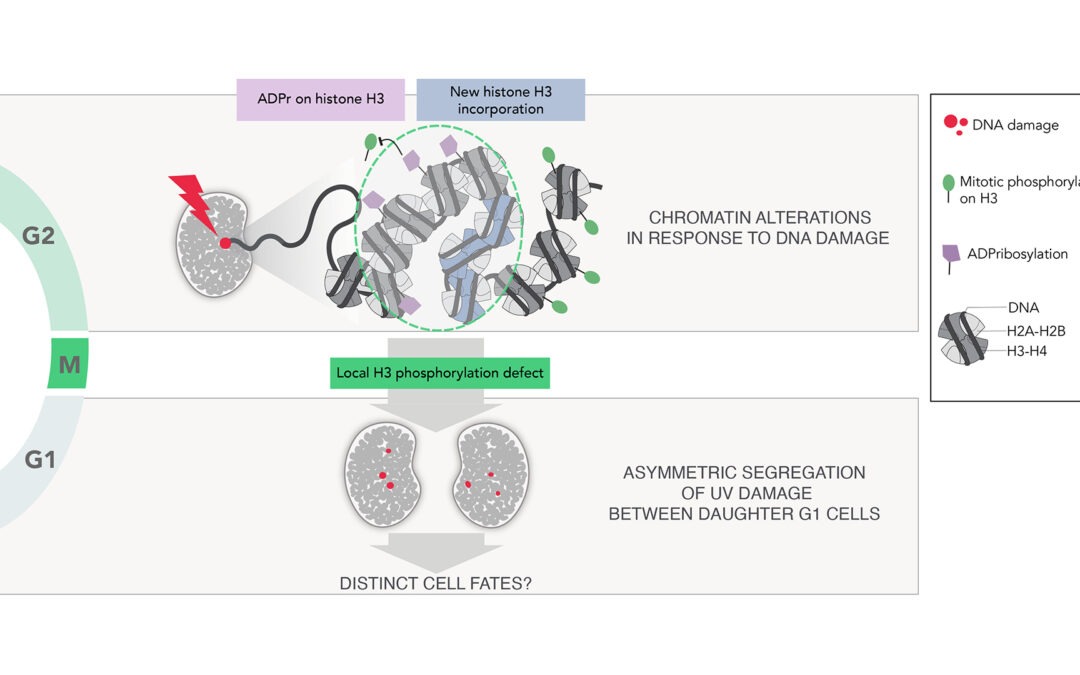
New research article on how chromatin marking governs DNA damage segregation in mitosis
In this paper, we uncover a damaged chromatin marking mechanism that drives the non-random segregation of UV damage through mitosis with potential consequences on daughter cell fate. Thus, we reveal that chromatin alterations impinge on genome stability not only by...
Welcome to Julia
Julia Roche Dupuy joined the lab for her second year Master's internship. Julia Roche Dupuy Second year Master's student À lire aussi
Welcome Caroline to our team!
We're excited to have Caroline joining Dr. Ait-si-Ali's team! She comes to us as an M2 student from the GENE2 master's program at Université Paris-Saclay. Working with Dr. Guillaume Velasco, Caroline will study the regulation of nuclear stiffness by H3K9...
Welcome Minh to Slimane Ait-si-ali’s team!
We are delighted to welcome Mynh, an M2 student from the GENE2 master's program at Université Paris-Saclay, to Dr. Ait-si-Ali's team. Mynh will be investigating the role of SETDB1 in Duchenne muscular dystrophy phenotype development.
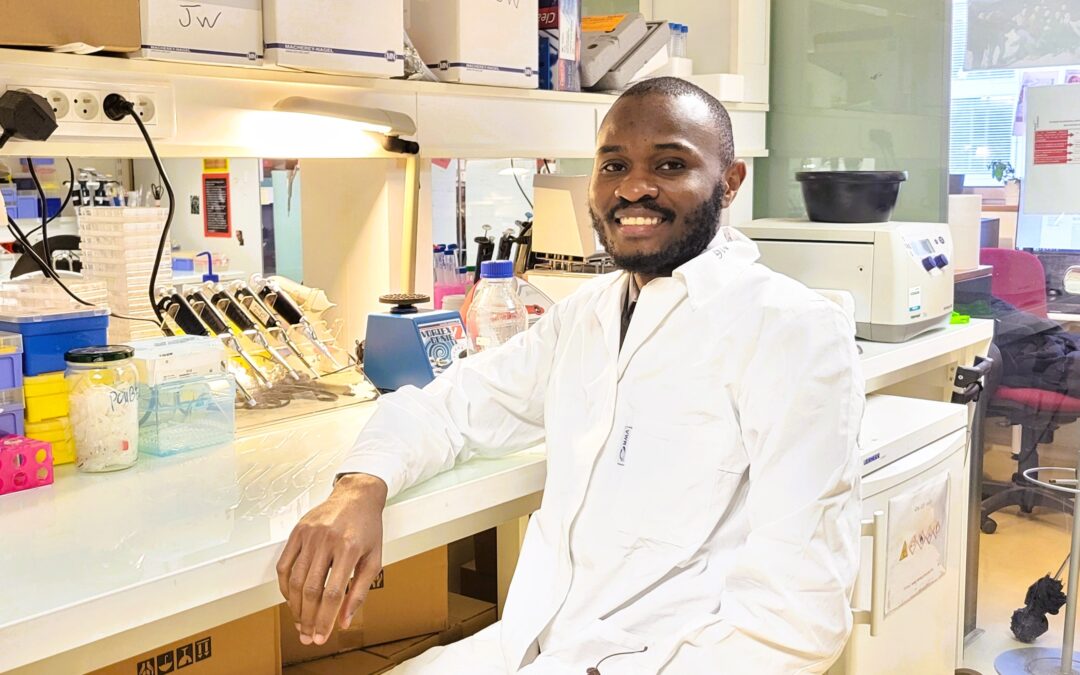
Welcome to Steve
Today, we welcome a new member to the team: Steve, a M2 student from the Magistère Européen de Génétique and an EUR GENE fellow.Steve will be working on the interactions of recently identified new parasite protein.Read more
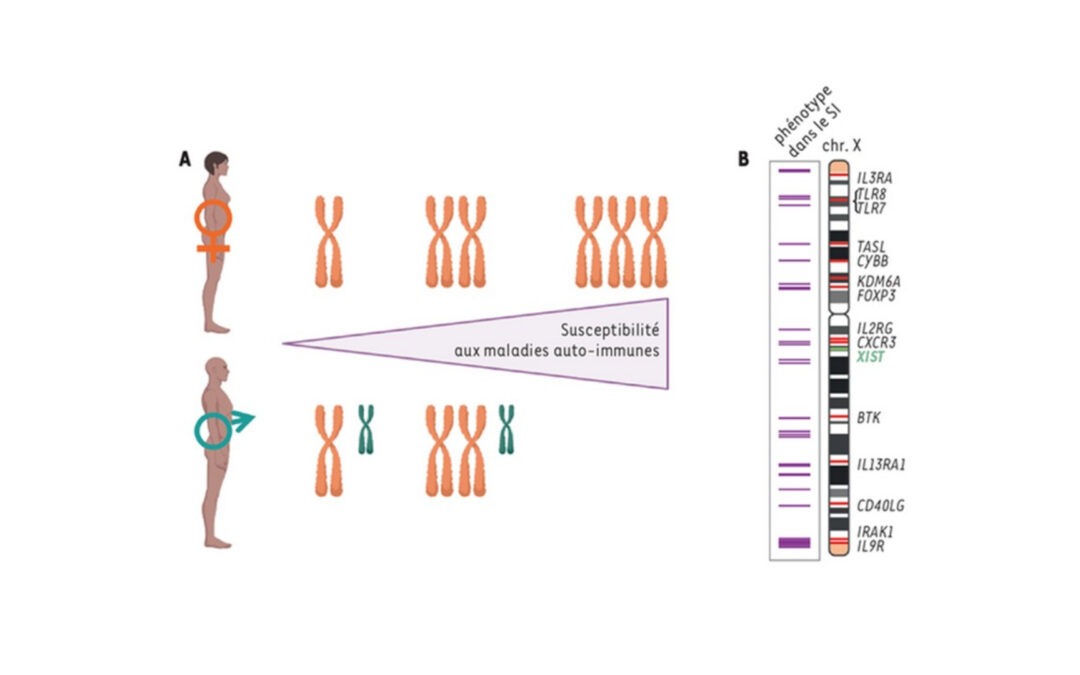
New review: X chromosome regulation and female functional specificities: Are two Xs better than one?
What if the presence of two X chromosomes confers functional specificities on female cells and contributes to the different susceptibilites of men and women to certain diseases? One of the X chromosomes is randomly silenced in each female cell from the embryonic...
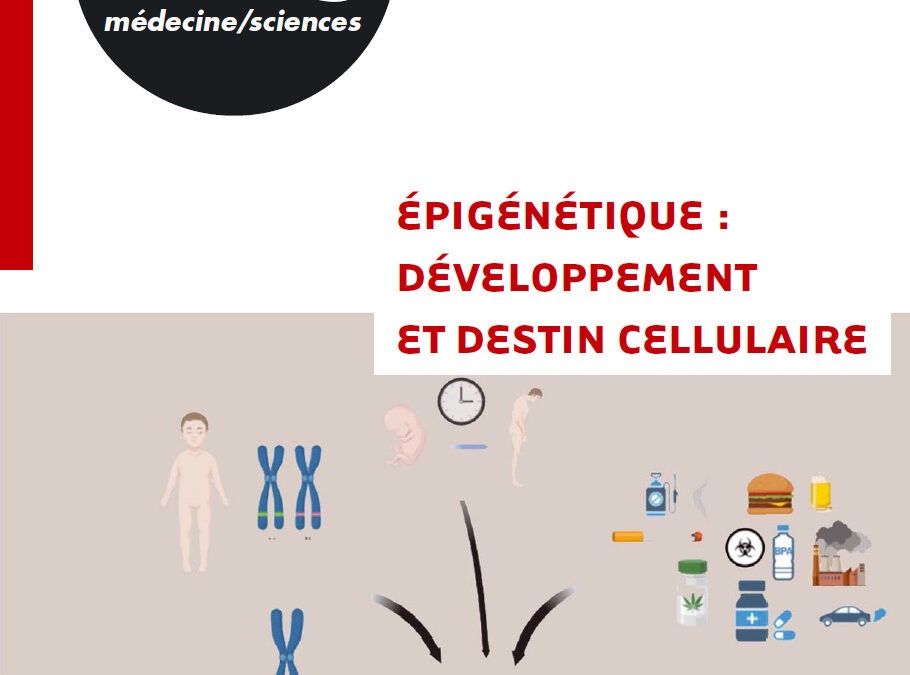
New review: Genetic diseases of epigenetic machinery
The development of sequencing technologies and their increased accessibility in clinical services and genetic laboratories have considerably accelerated the identification of genetic variants associated with rare diseases. Among these, Mendelian disorders of the...
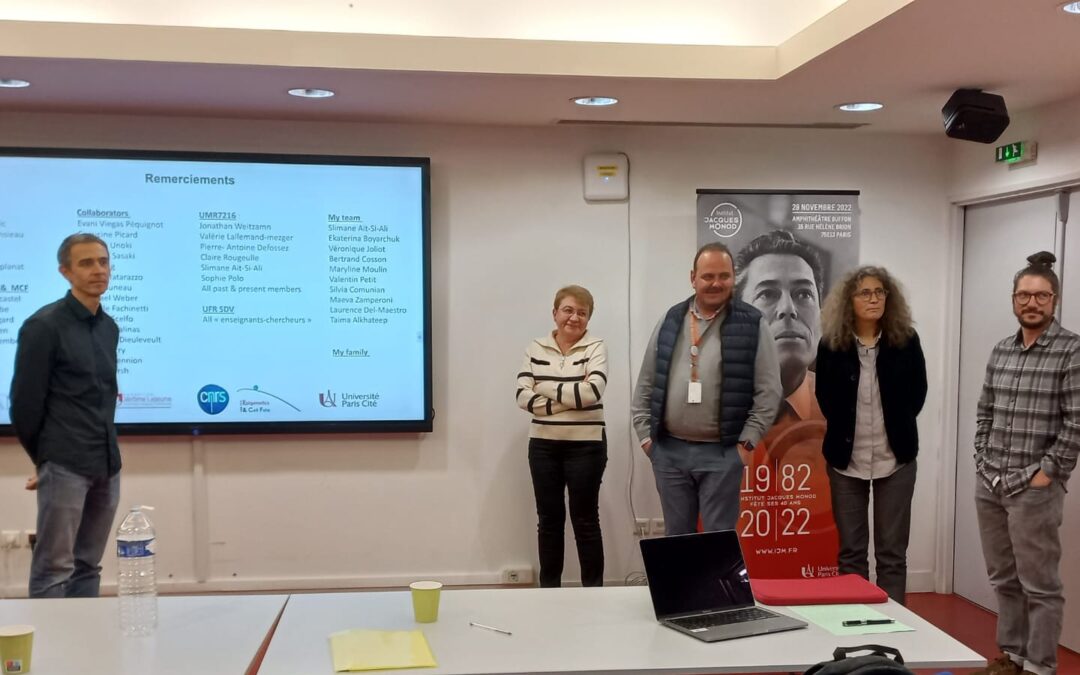
Congratulations to Guillaume!
Congratulations to Dr Guillaume Velasco on obtaining his Habilitation à Diriger des Recherches (HDR) this Wednesday, December 18th. A well-deserved accomplishment!Jury members: Giséle Bonne, Jean-Charles Cadoret, Fabienne Malagnac and Guillermo OrsiCongratulations,...
Congratulations to Dr. Carole Chaput
Congratulations to Dr. Carole Chaput who defended her thesis this Friday, December 6, 2024 on « Therapeutic functionalization of a rare neurodevelopmental and monogenic disease model based on the contribution of the heat shock factor 2 stress pathway »À lire aussi
Congratulations to Dr. Kevin Daupin
Congratulations to Dr. Kevin Daupin who defended his thesis this Wednesday, December 4, 2024 on « Integrity of Neuroepithelium & the Neural Niche in Rubinstein-Taybi Syndrome Derived Neural Models : A perspective on the implication of HSF2 pathways dysregulations...
Welcome to Megan
Today, we welcome a new member to the team: Megan, a M1 student from the EPHE where she's doing the Integrative Master for Global Health and Ecology, Integrative Physiopathology course.Megan will be working with Souhila on lysine methylation signalling by SMYD2.Read...
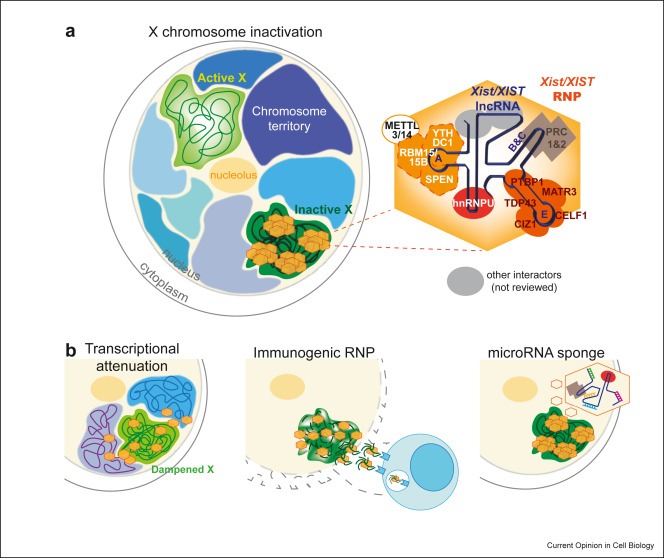
New review: Unleashing XIST from X-chromosome inactivation
The discovery that long noncoding RNAs (lncRNAs) are the most abundant gene class in the human genome has sparked significant research, particularly on Xist, a key RNA involved in X-chromosome inactivation. Recent studies have expanded our understanding of Xist's...
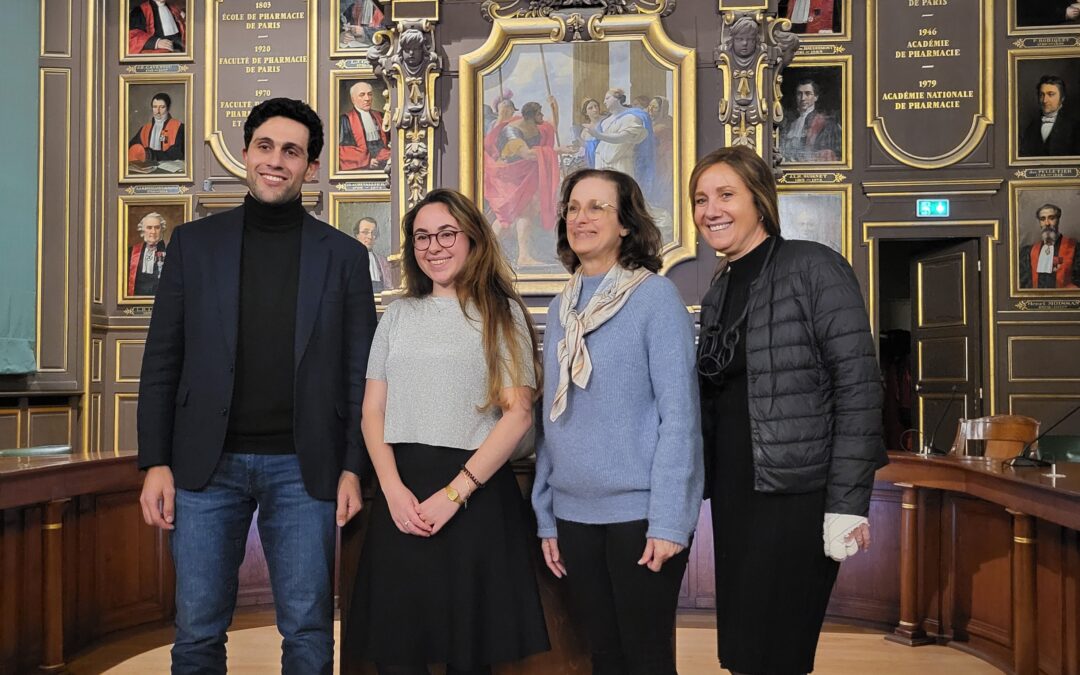
Congratulations to Emmanuelle !
Last week, Emmanuelle Ceddaha, one of our PhD student, defended her pharmacy thesis. It was a great presentation which not only earned her the congratulations of the jury, but also the distinction of ‘very good’ (and the unofficial distinction of ‘excellent’) for her...
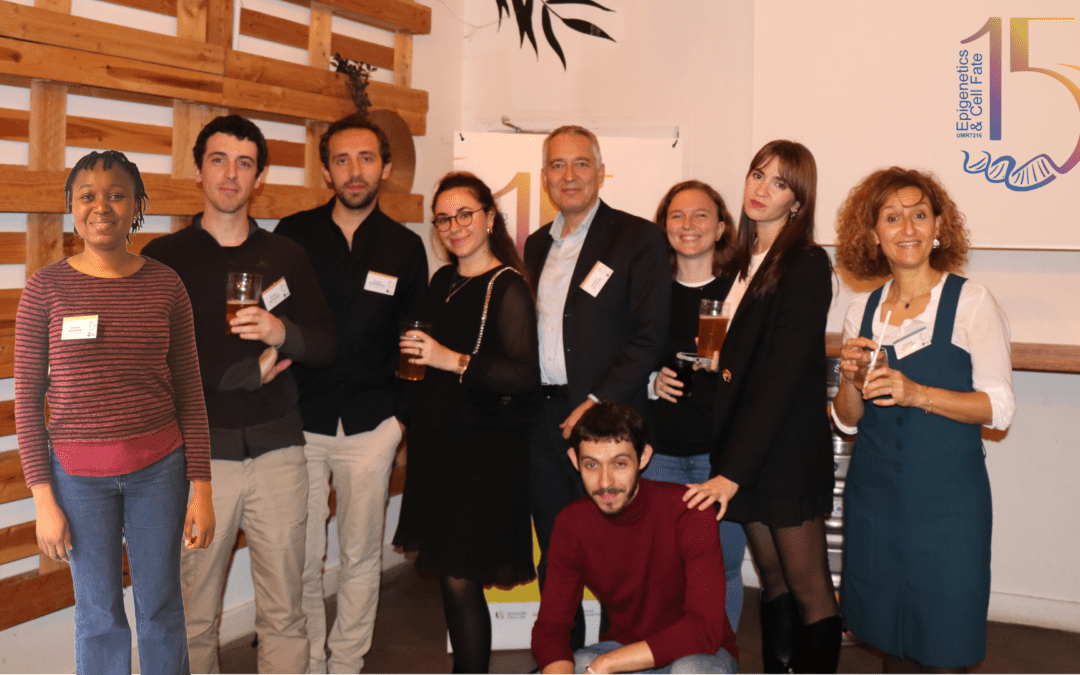
Happy Birthday EDC !
On 8 October 2024, our unit celebrated it's 15th anniversary but also 15 years of scientific and technical advances.It was a great day, both scientifically and humanly. From left to right : Ariane, Jérémy, Charles, Emmanuelle, Jonathan, Camille (front), Angélique,...
EDC15: Fifteen Years of Epigenetics and Cell Fate
The Epigenetics and Cell Fate Center celebrates its fifteen years of existence on October 8, 2024. Come, and join us for this special day! This conference will look back on 15 years of scientific advances in the fields of epigenetics and cellular differentiation in...

2024 Young Scientists Day
It’s time to create our own network! The 27th of June young scientists from BFA (Biologie Fonctionelle Adaptative), IJM (Institut Jacques Monod) and us (EDC) will meet to share amazing science and create the foundations of future collaborations...
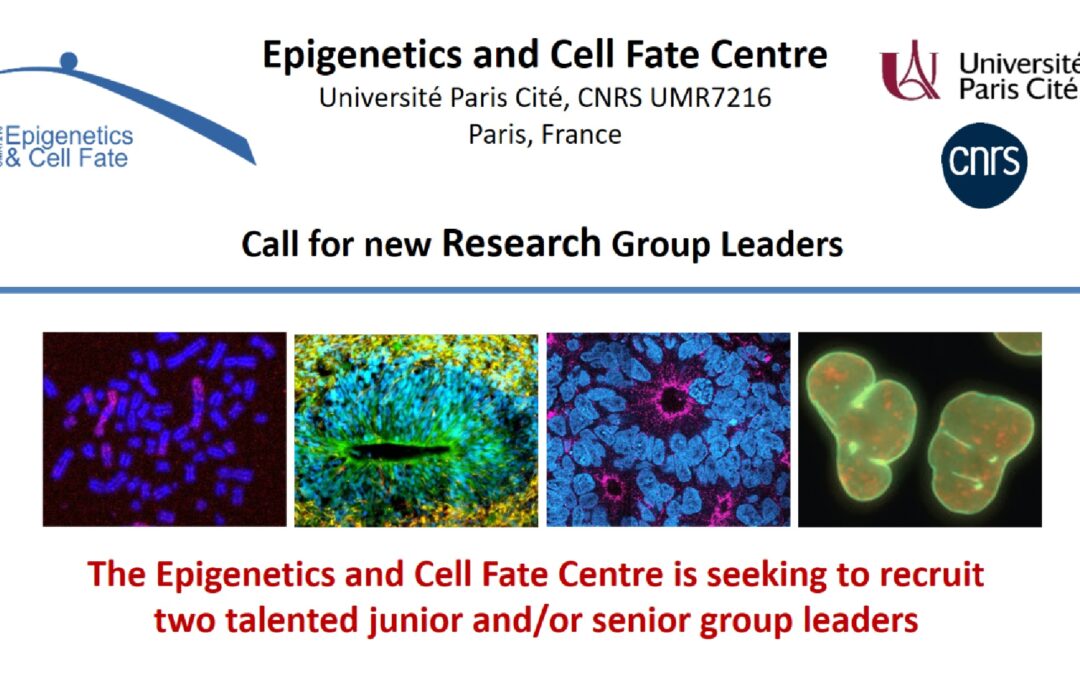
Call for new Research Group Leaders
The Epigenetics and Cell Fate Centre is seeking to recruit two talented junior and/or senior group leaders.Download the call (.pdf) Download the application form (.doc) The Epigenetics and Cell Fate Centre is a leading institute exploring cell identity and...
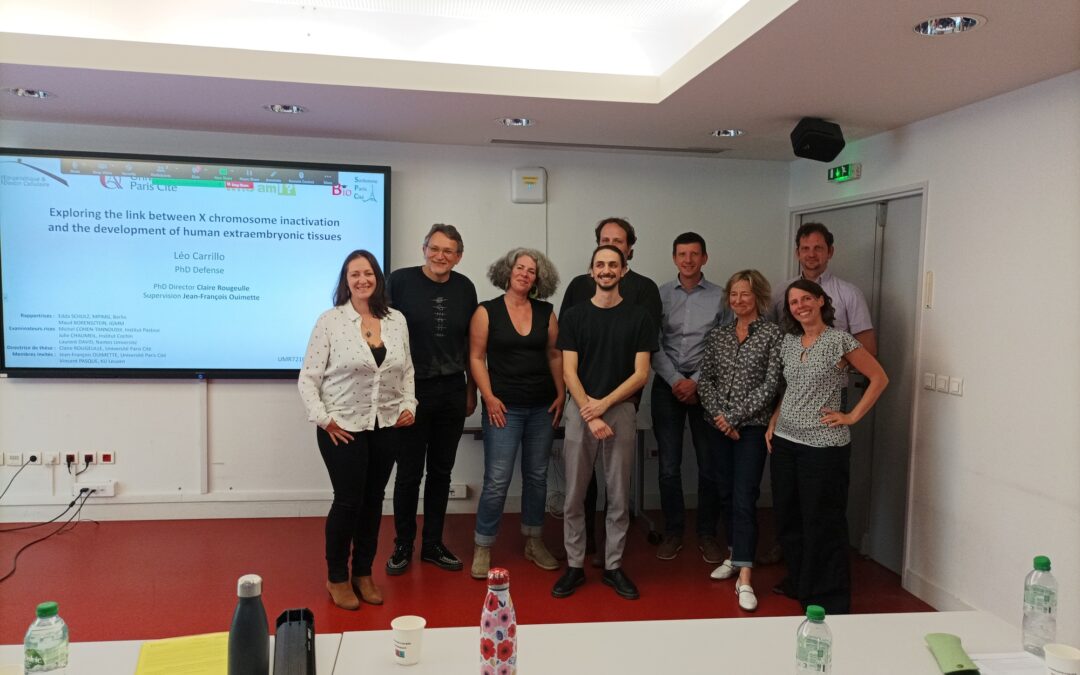
Congratulations Dr Carrillo
Congratulations to Léo who defended his thesis work on " Exploring the link between X chromosome inactivation and the development of human extraembryonic tissues " . © Rougeulle team À lire aussi
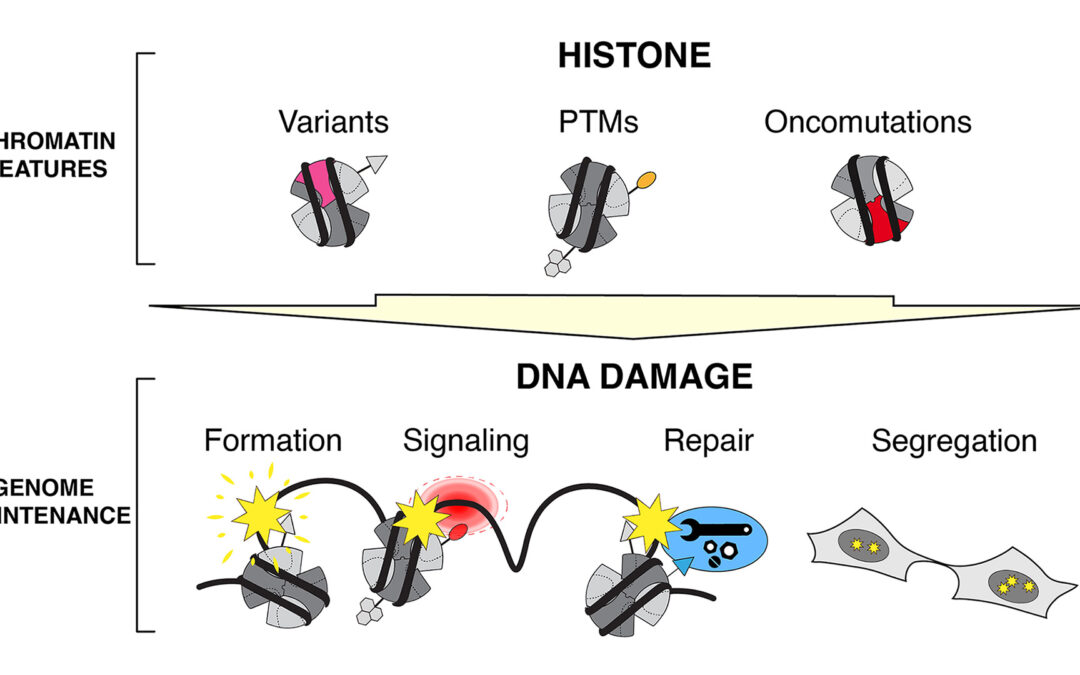
Review on the chromatin-based regulation of genome maintenance
A review from our research group is out for publication in DNA Repair as part of the special issue "Cutting-Edge Perspectives in Genome Maintenance". This review presents our current knowledge on the contribution of pre-existing and DNA damage-induced chromatin marks...
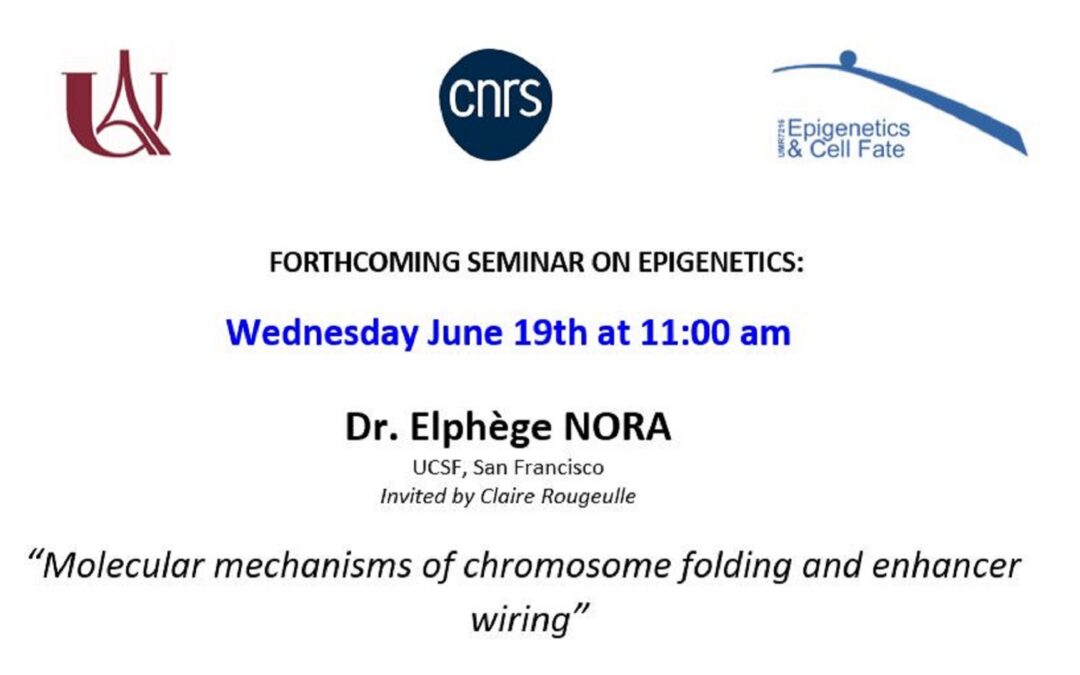
Elphège Nora seminar – June 19, 2024
Wednesday, June 19, 2024, at 11:00 am. Elphège Nora UCSF, San FranciscoInvited by Claire Rougeulle “Molecular mechanisms of chromosome folding and enhancer wiring” The seminar will take place in the Institut Jacques Monod seminar room (RB-18B). Buffon building, 15 rue...