

SET-ting the scene with SMYD enzymes in cancer
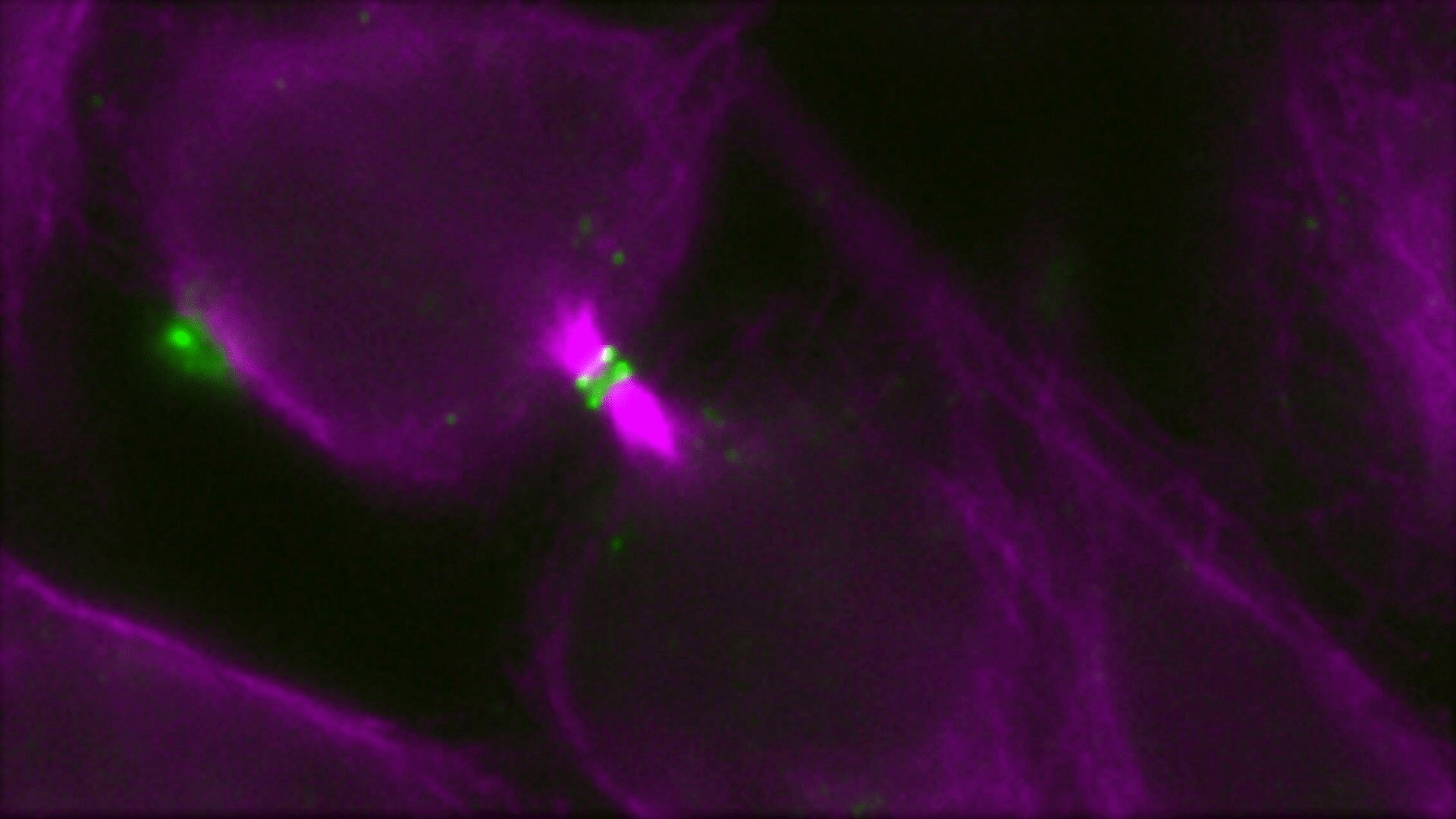
Microscopy image
This image shows cell under division where daugther cells are linked by a cytokinetic bridge.
In purple : Tubulin
In green : CHMP2B
© Aurélie Richard
The methylation of lysine residues is a key post-translational modification (PTM) which has been studied primarily in the context of histone methylation and epigenetic regulation of gene expression. Beyond this well-established role, lysine methylation is now emerging as a regulator of non-histone protein.
- We showed that the SMYD3 methyltransferase is involved in tumor cell metastasis
- We found that SMYD3 controls cell fate decision and muscle differentiation
- We found that SMYD3 responds to mechanical cues arising from changes in cell geometry
- We discovered that SMYD2 controls the timing of cytokinesis, the final step of cell division, through the methylation of ESCRT-III components.
Our research aims to identify novel methylation substrates to uncover how lysine methylation drives cancer progression and cell fate.
We have recently identified new non-histone targets of SMYD2 and SMYD3 that play critical roles in cancer cell division, providing new insights into the pro-oncogenic functions of SMYD proteins. In parallel, we are developing translational applications, including biomarkers for diagnosis.
Our experimental approaches:
We use comparative proteomic approaches combined with experimental cell biology and functional live-cell imaging (videomicroscopy), together with biochemical approaches to study the role of lysine methylation at the molecular and cellular levels. We use human cancer cell models in 2D and 3D (spheroids) to study how methylation impacts cancer cell phenotypes.
3D Microscopy Reconstruction
Cancer cells undergoing cytokinesis. Expansion immunofluorescence (ExM) reveals the helical structure of SMYD2-methylated ESCRT-III at the intercellular bridge. Their hetero-polymerization constricts the membrane, inducing its scission and the final separation of the two daughter cells.
This sequence is a 3D reconstruction from high-end images acquired on the Zeiss LSM900 confocal microscope at the Epi² platform.
In red : Tubulin
In green : ESCRT-III proteins
© Souhila Medjkane
Read more

Pint of Science 2026: Our unit takes Science to the public!
The Pint of Science festival returns from May 18 to 20, 2026. This year, members of our unit are once again deeply involved in bringing cutting-edge research out of the labs and into the relaxed atmosphere of Parisian bars. Featured Event: "DNA Damage, Cancer and...
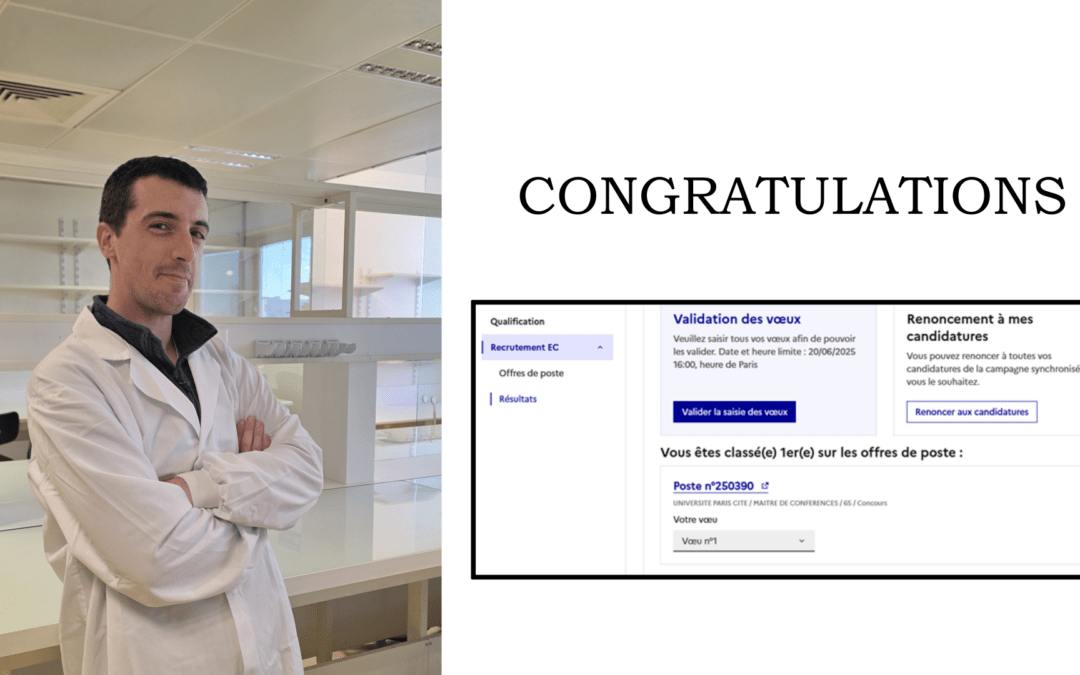
Congratulations to Jérémy, newly appointed Associate Professor!
We are delighted to announce Jérémy Berthelet's success in the Assistant Professor competition!On September 1, 2025, Jérémy officially joined our laboratory as a civil servant lecturer-researcher (trainee). This position is an important step, not only in his career,...
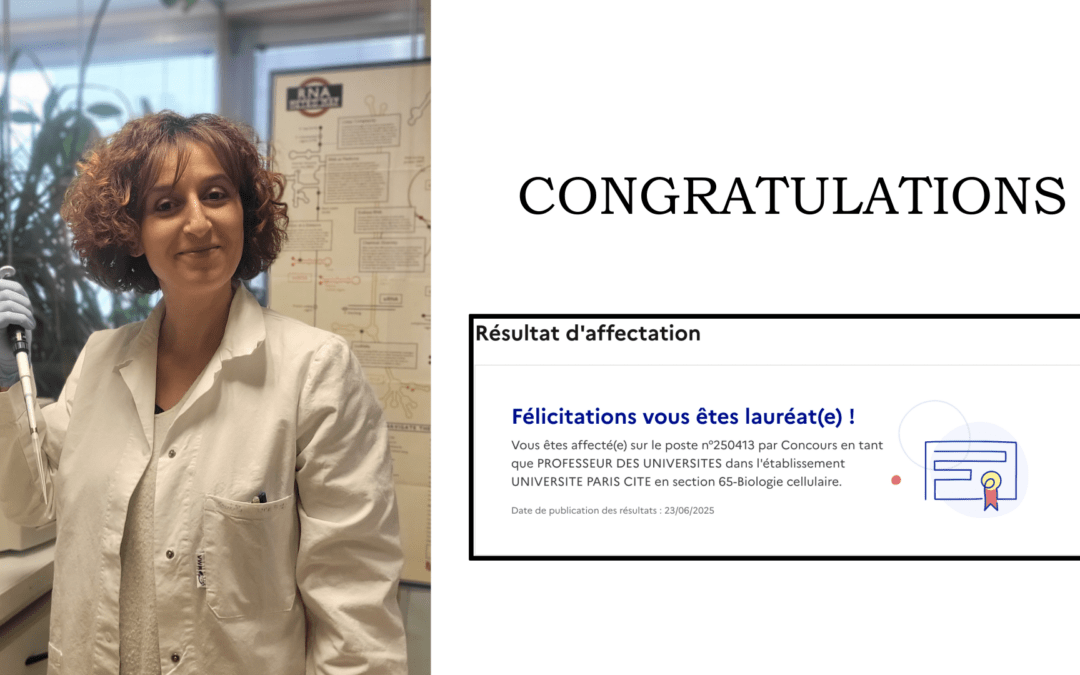
Congratulations to Souhila, promoted full Professor !
We are delighted to announce the success of Souhila MEDJKANE, who has been promoted to full Professor!On September 1, 2025, Souhila was officially promoted to Professor. This is a major milestone in her career, and a source of great pride for our team and the teaching...
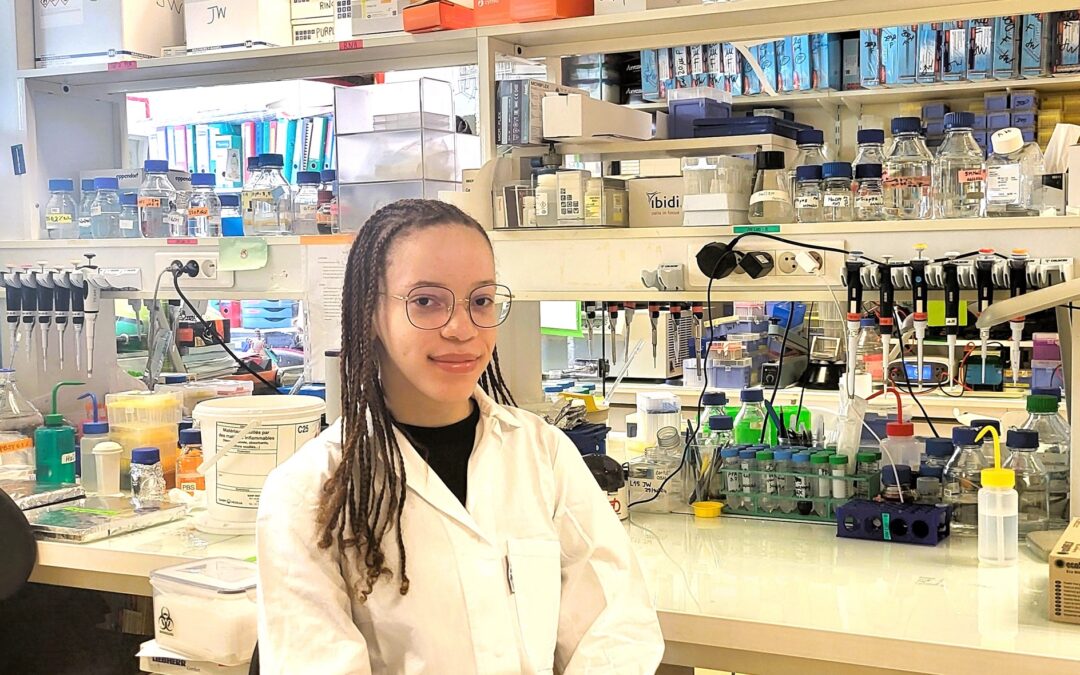
Welcome to Orlane
Today, we welcome a new member to the team: Orlane. She's a student from the first year of the Brevet de Technicien Supérieur Biotechnologies en Recherche et Production (Two-year technical degree - Biotechnologies in Research and Production).Orlane will be working...