
Mercredi 7 juin 2023, à 11h
Agathe Subtil
CNRS UMR3691, Institut Pasteur, Paris
Invitée par Slimane Ait-Si-Ali et Sophie Polo
“Imprint of Chlamydia infection on the metabolism and epigenome of epithelial host cells”
Le séminaire se tiendra à l’Institut Jacques Monod, salle François Jacob (RB-18B). Bâtiment Buffon, 15 rue Hélène Brion, Paris 13.
Lien Zoom pour les participants en distanciel :
https://u-paris.zoom.us/j/86114422072?pwd=VzJ0c2pxcHl4OWppekx3MldlM2Y4QT09
Contact : sophie.polo@univ-paris-diderot.fr
Publications de l’intervenante :
Sequestration of host metabolism by an intracellular pathogen.
Gehre L, Gorgette O, Perrinet S, Prevost MC, Ducatez M, Giebel AM, Nelson DE, Ball SG, Subtil A.Elife. 2016 Mar 16;5:e12552. doi: 10.7554/eLife.12552.
Infection-driven activation of transglutaminase 2 boosts glucose uptake and hexosamine biosynthesis in epithelial cells.
Maffei B, Laverrière M, Wu Y, Triboulet S, Perrinet S, Duchateau M, Matondo M, Hollis RL, Gourley C, Rupp J, Keillor JW, Subtil A. EMBO J. 2020 Apr 15;39(8):e102166. doi: 10.15252/embj.2019102166. Epub 2020 Mar 5.
Chlamydia trachomatis development requires both host glycolysis and oxidative phosphorylation but has only minor effects on these pathways.
N’Gadjaga MD, Perrinet S, Connor MG, Bertolin G, Millot GA, Subtil A. J Biol Chem. 2022 Sep;298(9):102338. doi: 10.1016/j.jbc.2022.102338. Epub 2022 Aug 2.
À lire aussi
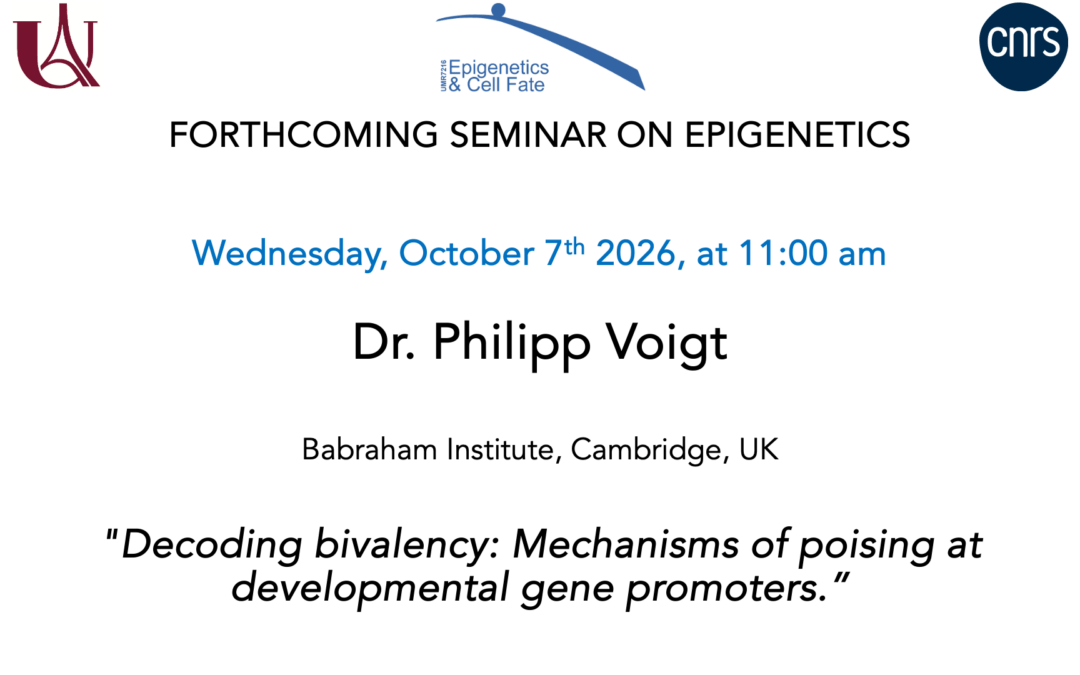
Séminaire Philipp Voigt – 7 octobre 2026
Dr. Philipp Voigt Babraham Institute, Cambridge, UK "Decoding bivalency: Mechanisms of poising at developmental gene promoters" Le séminaire se tiendra à l’Institut Jacques Monod, salle François Jacob (RB-18B). Bâtiment Buffon,15 rue Hélène Brion, Paris 13. Le...
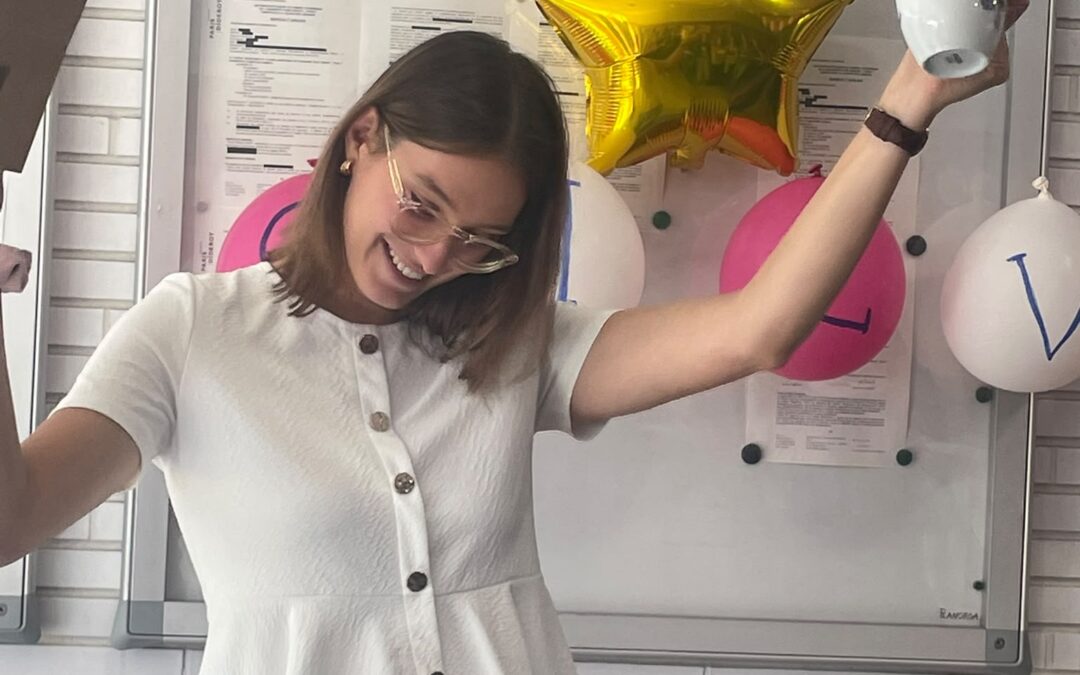
Félicitations au Dr. Silvia Comunian !
Toutes nos félicitations au Dr Silvia Comunian qui a soutenu sa thèse intitulée : «Epigenetic control of nuclear mechanics and migration via H3K9 methylation at Lamina-Associated Domains in lung cancer cells» le 25 septembre 2026. Silvia Comunian et les membres de son...
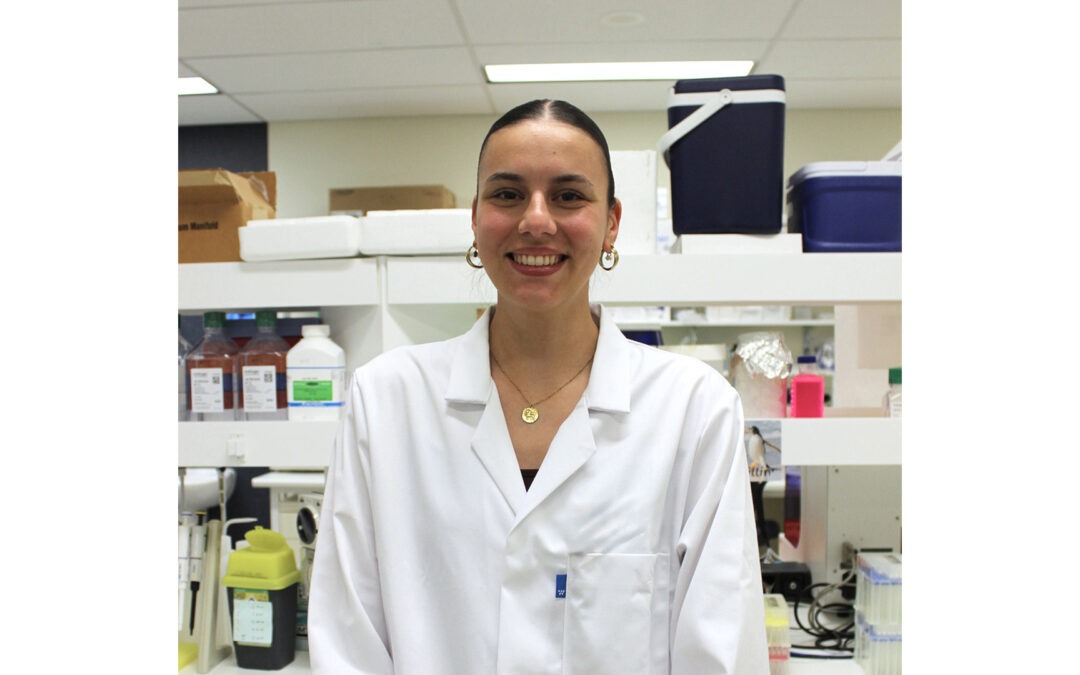
Bienvenue à Sara
Sara rejoint l’équipe pour un stage de master. Étudiante du Master Interdisciplinaire en Sciences de la Vie de l’Ecole Normale Supérieure, Sara va contribuer à un projet de recherche visant à cibler les vulnérabilités de la réparation de l’ADN dans les gliomes...
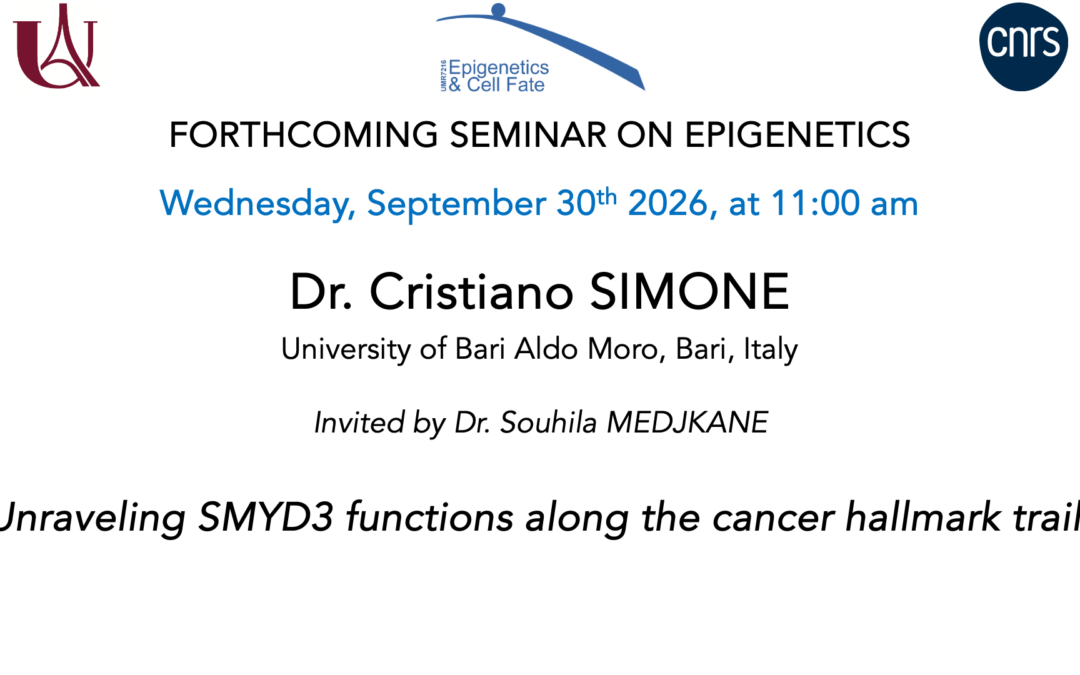
Séminaire Cristiano SIMONE – 30 septembre 2026
Dr. Cristiano SIMONE University of Bari Aldo Moro, Bari, Italy Invité par Dr. Souhila MEDJKANE "Unraveling SMYD3 functions along the Cancer Hallmark trail." Le séminaire se tiendra à l’Institut Jacques Monod, salle François Jacob (RB-18B). Bâtiment Buffon,15 rue...